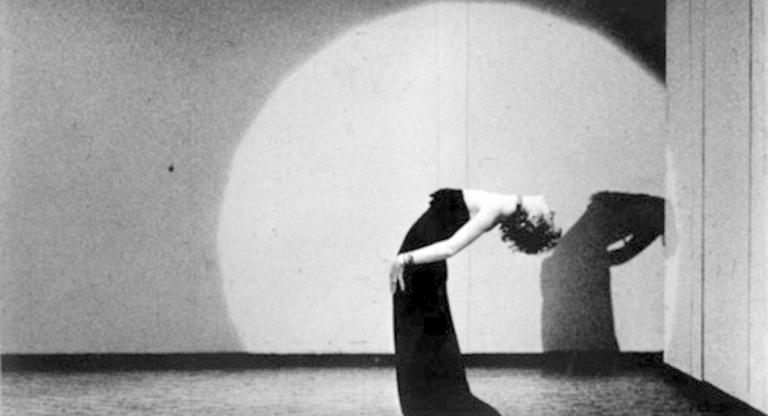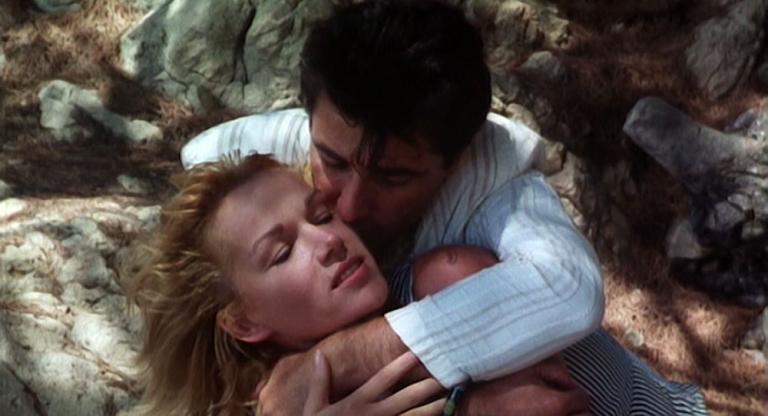
Utako Koguchi is an experimental filmmaker from Japan whose cinematic practice blends fiction with diary filmmaking and often explores time, rebirth, gender identity, eco-sensuality, and doll play. This evening, e-flux Screening Room will show four of her films: O-DE-KA-KE Diary (1989), A Dandelion, Rosaceae (1990), The Sleeping Flower (1991), and Ophelia's Favorite Book: 03 (1995).
O-DE-KA-KE Diary sees Tokyo as a territory for the filmmaker's self-discovery. Saturated in mineral, aquatic, earthy tones, the film presents the grandeur of nature and Koguchi's fragility in the face of it existing in harmony. The filmmaker gestures toward estrangement from society and unity with nature by documenting her encounters with both. In the series of expressionist sketches accompanied with a folk score, Koguchi conjures a profound sense of rootlessness, remedied by her search for refuge outside of the human world.
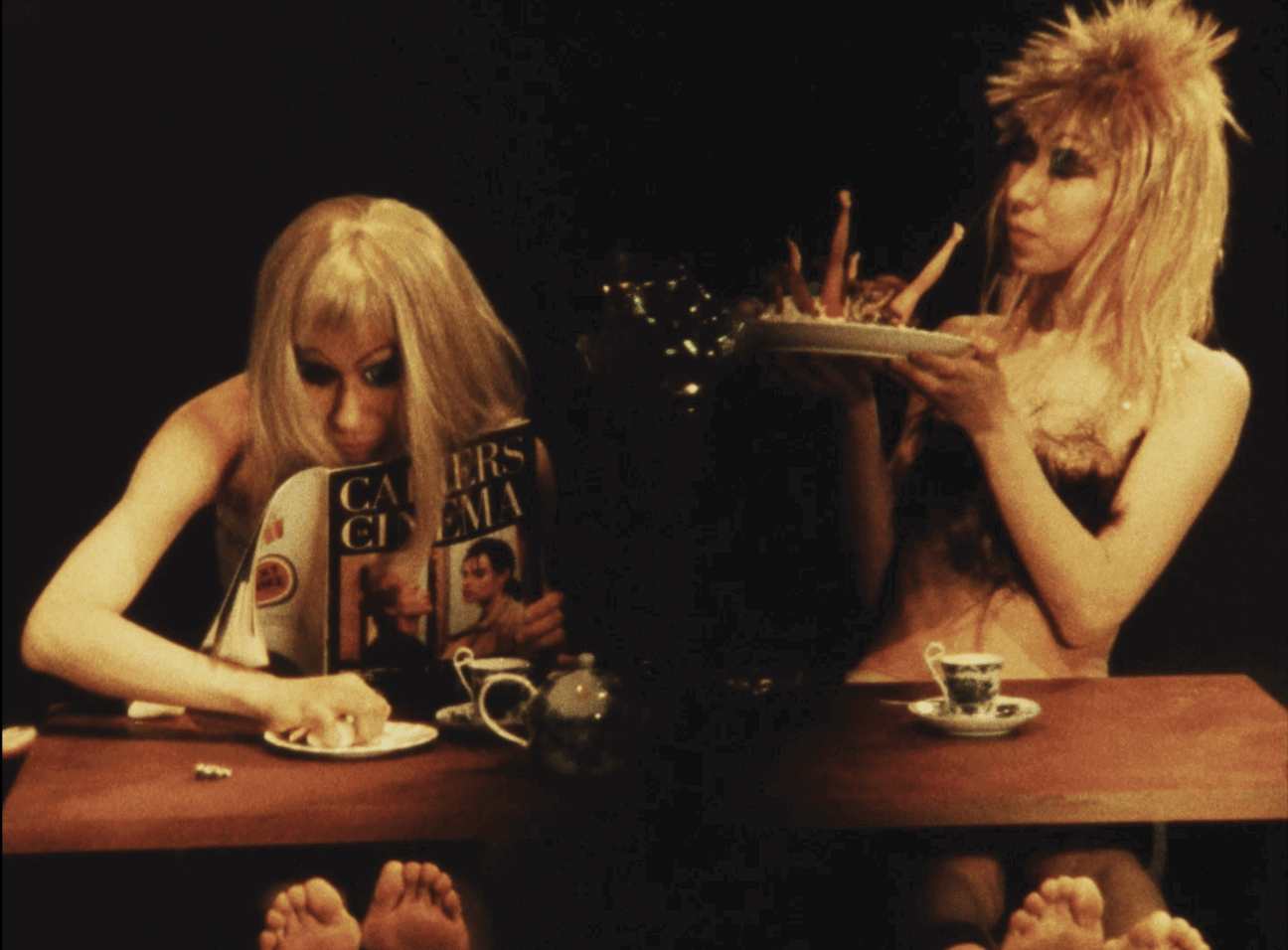
Partly made with stop-motion animation, A Dandelion, Rosaceae follows twin sisters who are portrayed by dolls named Lulu and Lala. In the film, Lala is shown visiting Lulu's house, where both of them discover the agonizing corporality of pubescence. Here, doll play is an allegory for experiencing the bodily horror of dysphoria growing up. Moreover, as a social phenomenon, doll play accustoms one to the prospects of labor; in A Dandelion, Rosaceae, the filmmaker underscores the indebtedness of leisure and play to labor by collaging an image of two strike-sympathizing girls. Similarly, the practice of doll play is in dialogue with the art of cinema—both construct a relative image of life. This is evidenced by the scenes where Koguchi is reading Cahiers du cinéma. Traditionally, dolls by themselves are a blank slate; however ambiguously, and with some room for speculation about their rudimentary characteristics, they are almost entirely sexless beings. Koguchi upends this by endowing the young Lulu and Lala with dead organic genitalia (a banana, mushrooms, deep-fried lobster) and showing them grow body hair, which speaks to the dysphoric disjunction between the dolls and something that, to them, appears foreign on their bodies. Awash with a wave of desire and repugnance, which are complicated by the exploration of their sexuality, the dolls undergo a rebirth as a result of their coming-of-age rite of passage and regain their true identities.
The Sleeping Flower is a domestic portrait of the filmmaker's grandmother in which Koguchi patiently listens to accounts from her life. In their conversations, the filmmaker identifies with stories that remain unchanged across generations. By gently enveloping her grandmother in a cocoon of white cotton flowers that invoke funeral wreaths, Koguchi invites playfulness into the notions of time and mortality; this play-pretend enactment eases the way into the thought of transience of life, and imagines the woman as a part of its cycle. The film is a rebuttal to the idea of departure as the ultimate end; instead, it recognizes the generative qualities of life and death in equal measure.
Ophelia's Favorite Book: 03 is a tale of a resurrected transgender girl who becomes a water sprite absorbed in reading the imaginary magazine Monthly Ophelia. It features a fictional feminist writer, Sakurako Saya, who is said to have been a vanguard of the women’s literary scene in Japan. One could argue that by retroactively honoring this fabled figure, Koguchi makes an allegory for trans women whose very existence and trailblazing achievements have passed into oblivion; the filmmaker also highlights prominent “girls’ culture” artists from the Showa era, including Junichi Nakahara and Yumiko Oshima. The film is shot on DV and incorporates animation, as well as select manga panels. Ophelia is living vicariously through the magazine and her identity manifests as the stories resonate with her. In one of the vignettes, Koguchi depicts disembodied dolls’ and girls’ dresses abandoned amid desolate landscapes, expressing their uncanniness through the absence of the tangible shape they would normally array. The imagery articulates the embrace of all-engulfing nature that has claimed the physical form of their owners. In a dreamy sequence where an elderly woman watches nostalgic images projected onto the walls of her house, the resurrection theme continues. A girl enters the room, and after gently interlocking hands with her, the woman disappears. The superimposition of larvae and butterflies on the screen assumes a transformation into her mirrored image that will carry on the family legacy.
Correction: This article previously mis-identified Otaku Koguchi as a transfemme artist.
“Between Fantasy and the Everyday: The Films of Utako Koguchi” takes place this evening, June 15, at e-flux Screening Room.