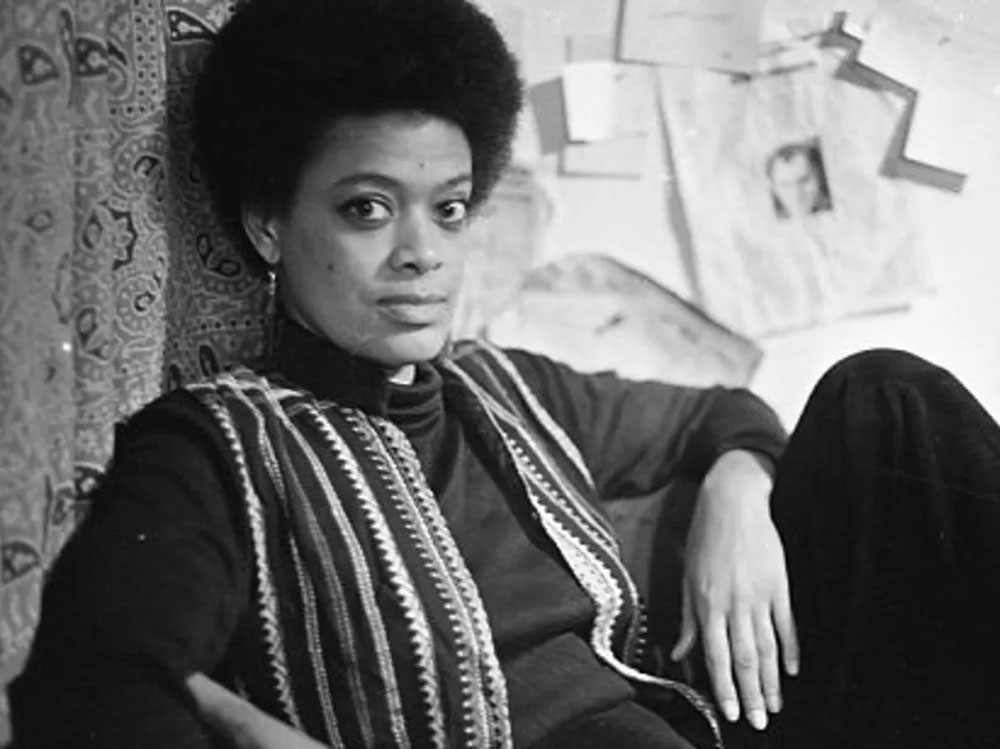
In 1986, Toni Cade Bambara and Louis Massiah collaborated on The Bombing of Osage Avenue, a documentary about the police bombing of the MOVE commune that took place the previous year in Philadelphia. The film features interviews with members of the Cobbs Creek community and portrays the event as part of a long arc of repression against Black self-organizing in the area, in stark contrast to a dominant media narrative of exceptional violence. When it premiered on WHYY later that year, community members were so moved to see their perspective of the events represented that they marched to the local television station in celebration.
TCB - The Toni Cade Bambara School of Organizing (2025) is Massiah’s effort to pass down the lessons he learned on cultural organizing from working with the late writer and media activist. Arriving at a moment of expanding state repression, the film’s meditation on Bambara is timely. It points toward the role that writers, filmmakers, and artists can play in building, sustaining, and rebuilding social movements and communities. Edited by Monica Henriquez, who worked with Bambara on a documentary about W.E.B. Du Bois, the film weaves together archival footage and testimonies that Massiah gathered over the last three decades from friends, family members, students, collaborators, and later generations of artists and activists inspired by her work. The result is less a complete biography than a manual for living and resisting, yet the film’s militancy doesn’t prevent it from creating an intimate portrait as well.
Major milestones and historic events in Bambara’s life are covered: her role in the campaign to desegregate City College of New York in the late 1960s; the publication of the landmark anthology The Black Woman (1970) and her piercing novel of activist burnout The Salt Eaters (1980); her participation in the first feminist delegation to post-liberation Vietnam; and her championing of Black independent cinema. TCB also gathers a rich and humorous collection of minor anecdotes that exemplify Bambara’s daily practices of friendship and solidarity. Toni Morrison, Bambara’s lifelong editor, shares a number of these and offers a glimpse into a legendary working relationship of late 20th century U.S. literature. Bambara would drop in unexpectedly to watch Morrison’s kids so that she could go see a film, and the two sent each other money during hard times—but always as “prize money” for an award they would invent. In another story, told by the poet Nikky Finney, a man recognized Bambara on the street and asked if she could help him with his writing—specifically, writing an application for a house. To Finney’s surprise, Bambara said yes. At Maysles Documentary Center, where I first watched the film, the audience broke into applause when we heard that the man and his wife got the house.
TCB - The Toni Cade Bambara School of Organizing screens this evening, July 30, at The People’s Forum. Co-director Louis Massiah will be in attendance for a Q&A.