There is one kind of audience for whom interest in Alfred Hitchcock’s work ends with The Birds (1963), the last of his films universally admired today. Some others might also include Marnie (1964), a once-underrated psychodrama starring Tippi Hedren and Sean Connery. Fewer still are those who equally admire Hitchcock’s final four features, three of which—Torn Curtain (1965), Topaz (1969), and Frenzy (1972)—screen on 35mm prints this week at the Stanford Theatre, for the first time in over 25 years.
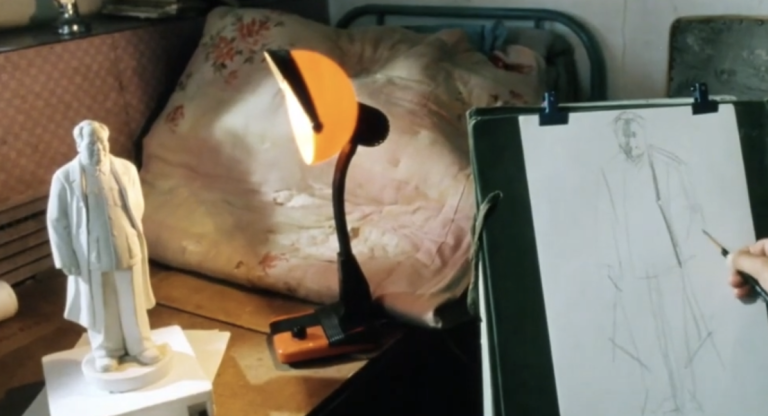
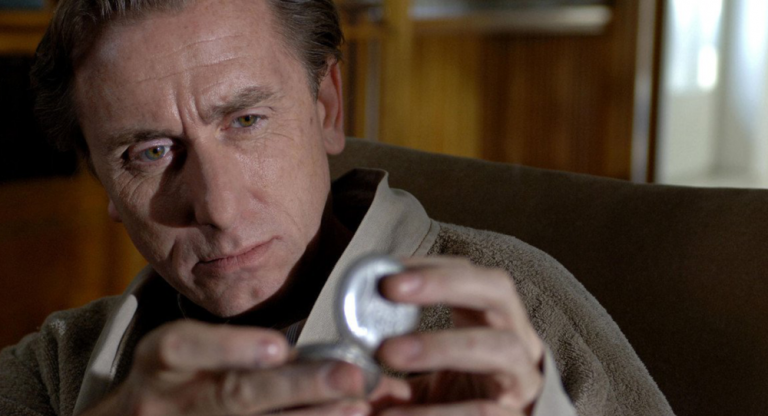
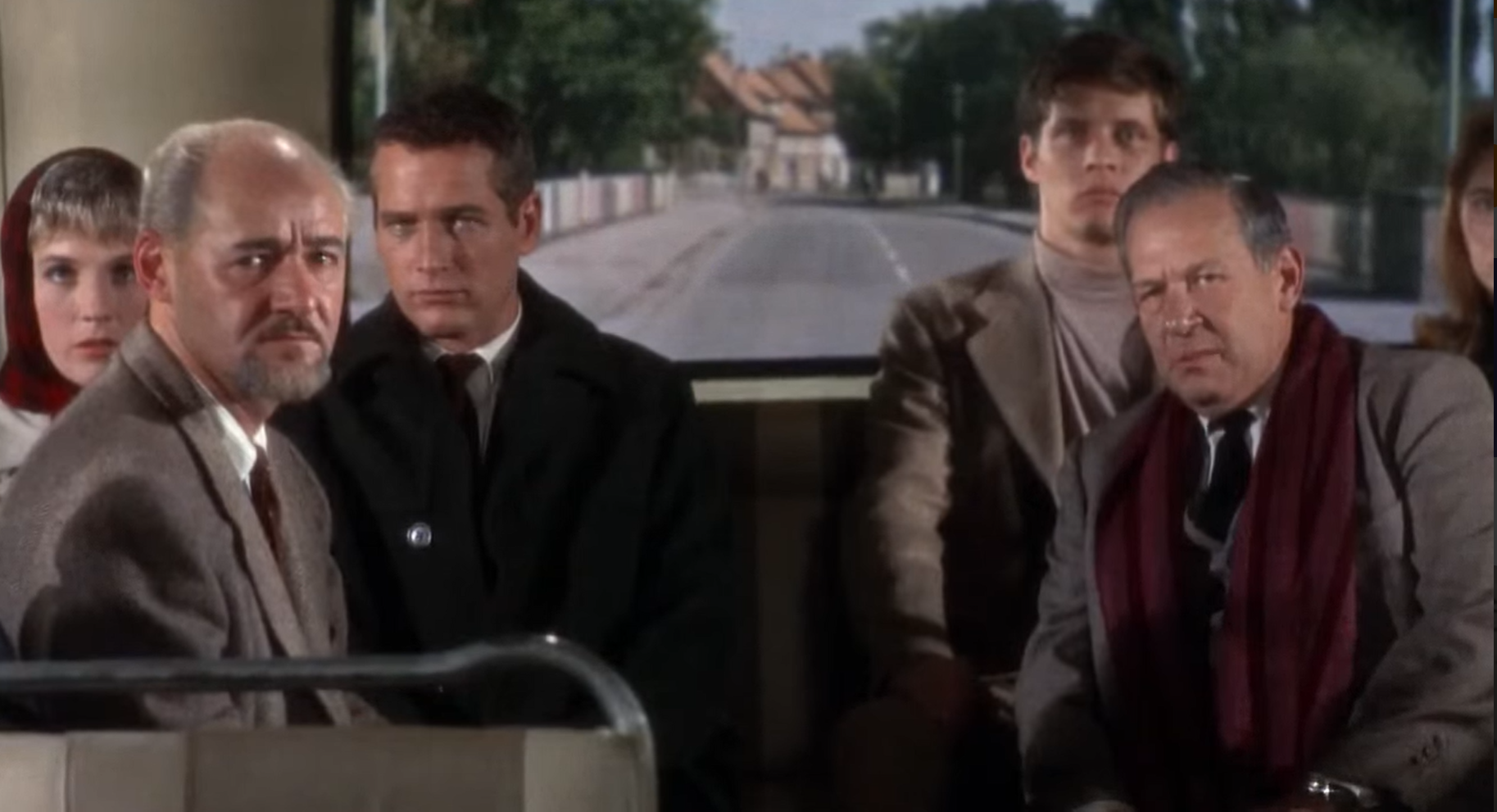
Let this not, however, create the impression that these late films are in any sense lesser works. Better fewer, but better, as the saying goes. If it’s true that the films are less likeable, this is largely by design. Torn Curtain is still the kind of picaresque adventure story that was throughout his career, Hitchcock’s forte, as in films like North by Northwest (1959), The 39 Steps (1935), and the Hollywood version of The Man Who Knew Too Much (1957). Yet, like all of his films from Psycho (1960) onward, there is something sobering about it. The levity that once distinguished his work starts to recede. At times, these late films can still be funny, but it isn’t an innocent humor; frequently, perhaps most of all in Frenzy, it is brutal and cruel. Torn Curtain is composed largely with grey and beige tones, a deliberate undermining of what Hitchcock referred to derisively as the “Hollywood gloss” of his ‘50s work. The late German filmmaker Hartmut Bitomsky analyzed a graphic murder scene from it in his 1991 essay film, Cinema and Death. He quotes Hitchcock’s description of the scene to Truffaut: “With this long murder scene, I wanted to refute a cliche. Normally, murders in films happen quickly. I felt it was time to really show how laborious and time-consuming murder can be.”
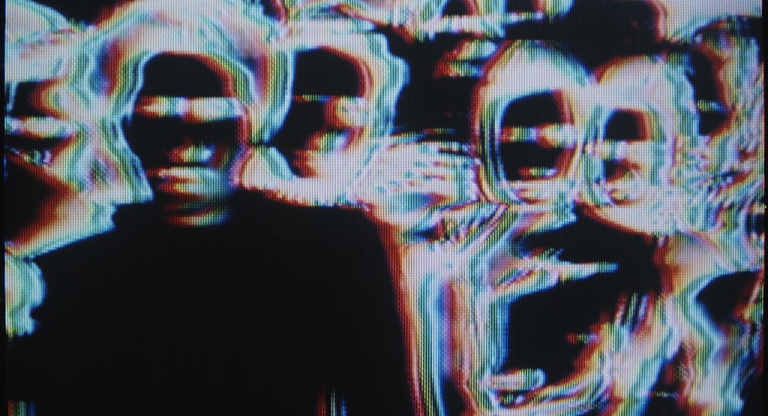
Torn Curtain begins and ends with the same image, a close-up of Paul Newman and Julie Andrews embraced in a kiss. What transpires between these scenes are a series of escapades that serve to illustrate the factors—personal and professional, cultural and political—that keep the pair from coming together. Its Cold War backdrop, already mostly out of vogue in Hollywood, is a means to an end: there is hardly a hint of the passionate political outrage that motivated his great anti-Nazi pictures, like The Lady Vanishes (1939) and Foreign Correspondent (1940). Asked what he made of the world’s problems in 1973, Hitchcock lamented above all the inability to communicate. The Birds ends with a scene in ruins; both it and Psycho announce the end of a certain kind of classical mise en scène. Knowing full well there is no way to continue as he once did, Torn Curtain—its title already declares this theme—navigates the aftermath, leading to some of the most abstract visual compositions in his career.
Torn Curtain screens May 28-29 on a double bill with Topaz at the Stanford Theatre, both on 35mm, as part of their annual Hitchcock series.