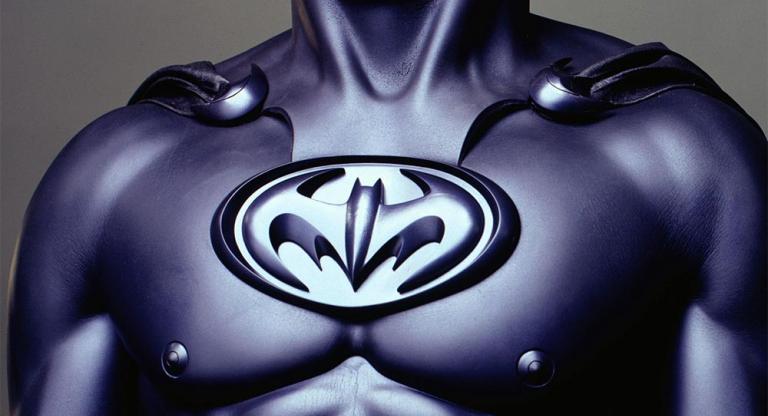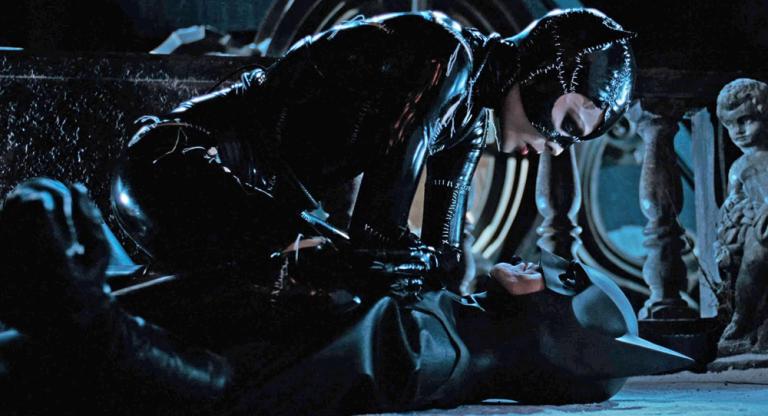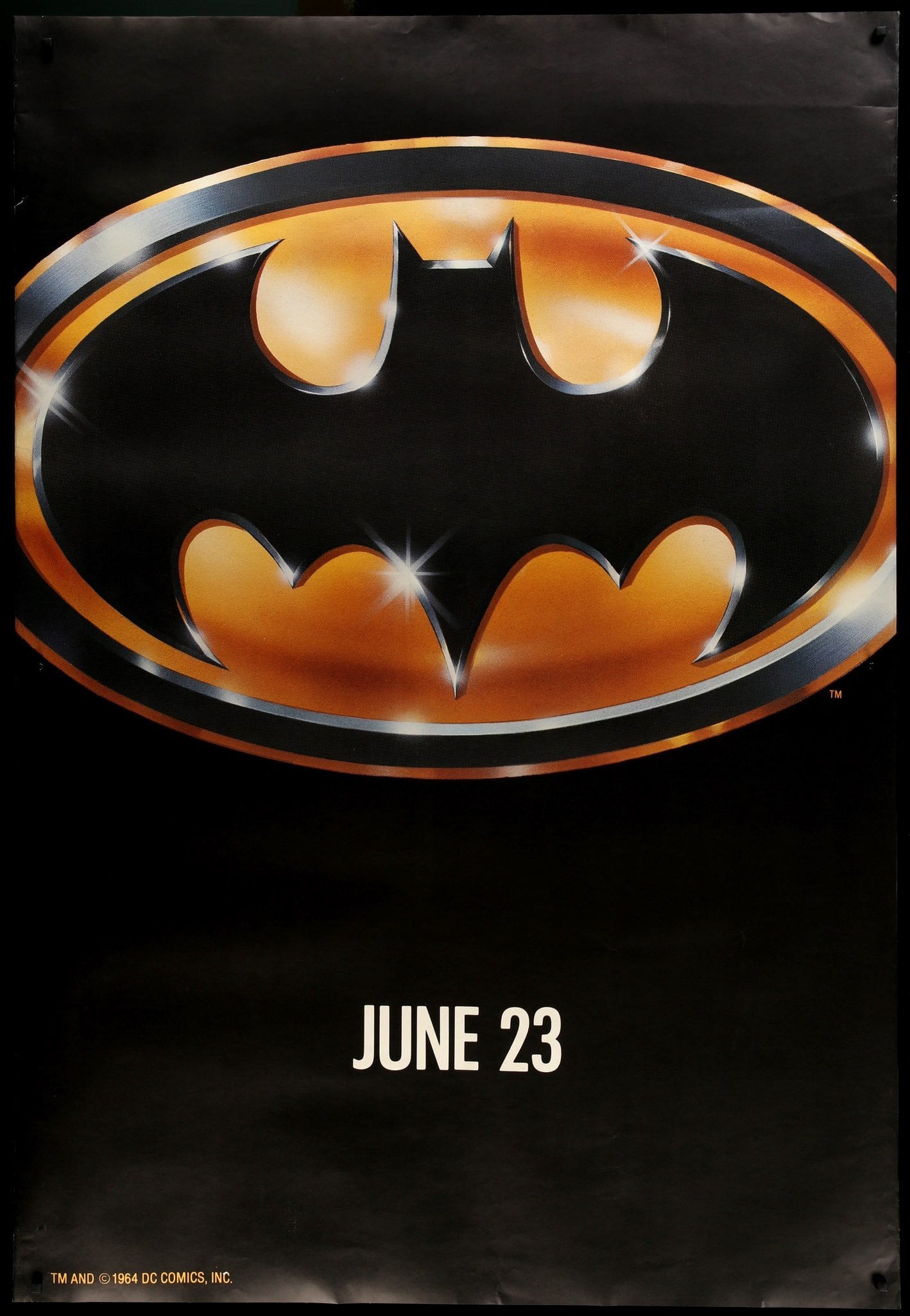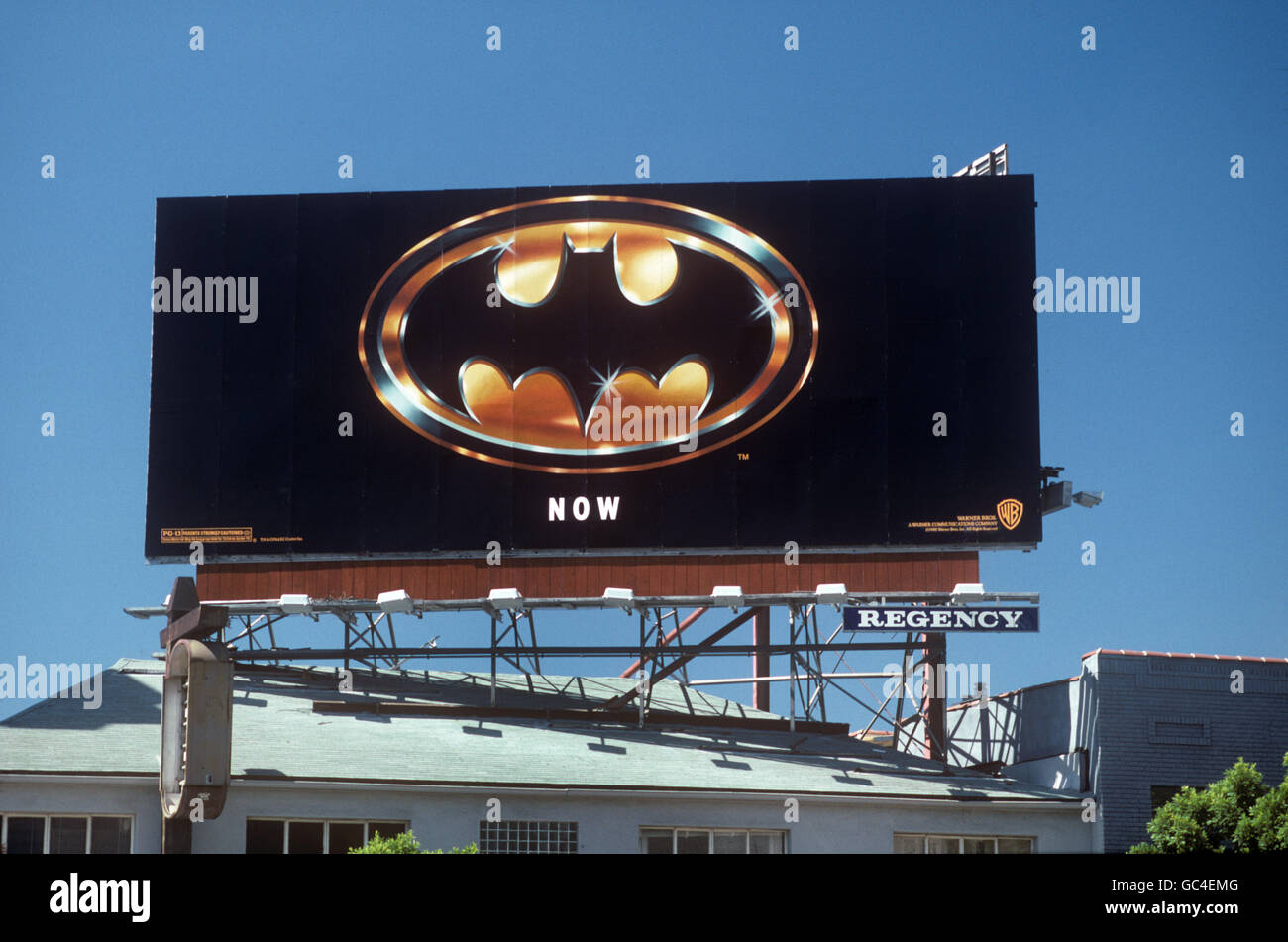
The original teaser one sheet and billboards for Batman (1989) made note of when the film was coming out, but left off one important piece of information found in most pieces of movie marketing: the film’s title. Warner Bros. had bet big on the caped crusader, hedging its summer movie season on audiences getting excited for the old vigilante by releasing the film almost exactly 50 years after Batman had made his comic book debut in Detective Comics #27 back in May 1939. All they used to tease the film in its marketing campaign was the hero’s famous bat symbol, but that’s really all they needed.
Though Batman had been absent from the screen since the Adam West TV series and its subsequent film from the late ‘60s, the character had endured in serialized comic book form in the intervening years. The ‘80s, for example, yielded fan favorite arcs from Frank Miller (The Dark Knight Returns, 1986, and Batman: Year One, 1987) and Alan Moore (The Killing Joke, 1988)—all of which took the character in a darker direction than before. Despite fostering a fanbase aligned with goth culture in the ‘90s, Burton’s earlier feature film work up until then had been significantly lighter in tone. Prior to directing Batman, his feature credits only included Pee Wee’s Big Adventure (1985) and Beetlejuice (1988). Batman, establishing its vision of Gotham in stark shadows and a murky color palette, is a far cry from the colorful visual splendor of his previous features, hearkening back to his monochromatic early shorts Vincent (1982) and Frankenweenie (1984).
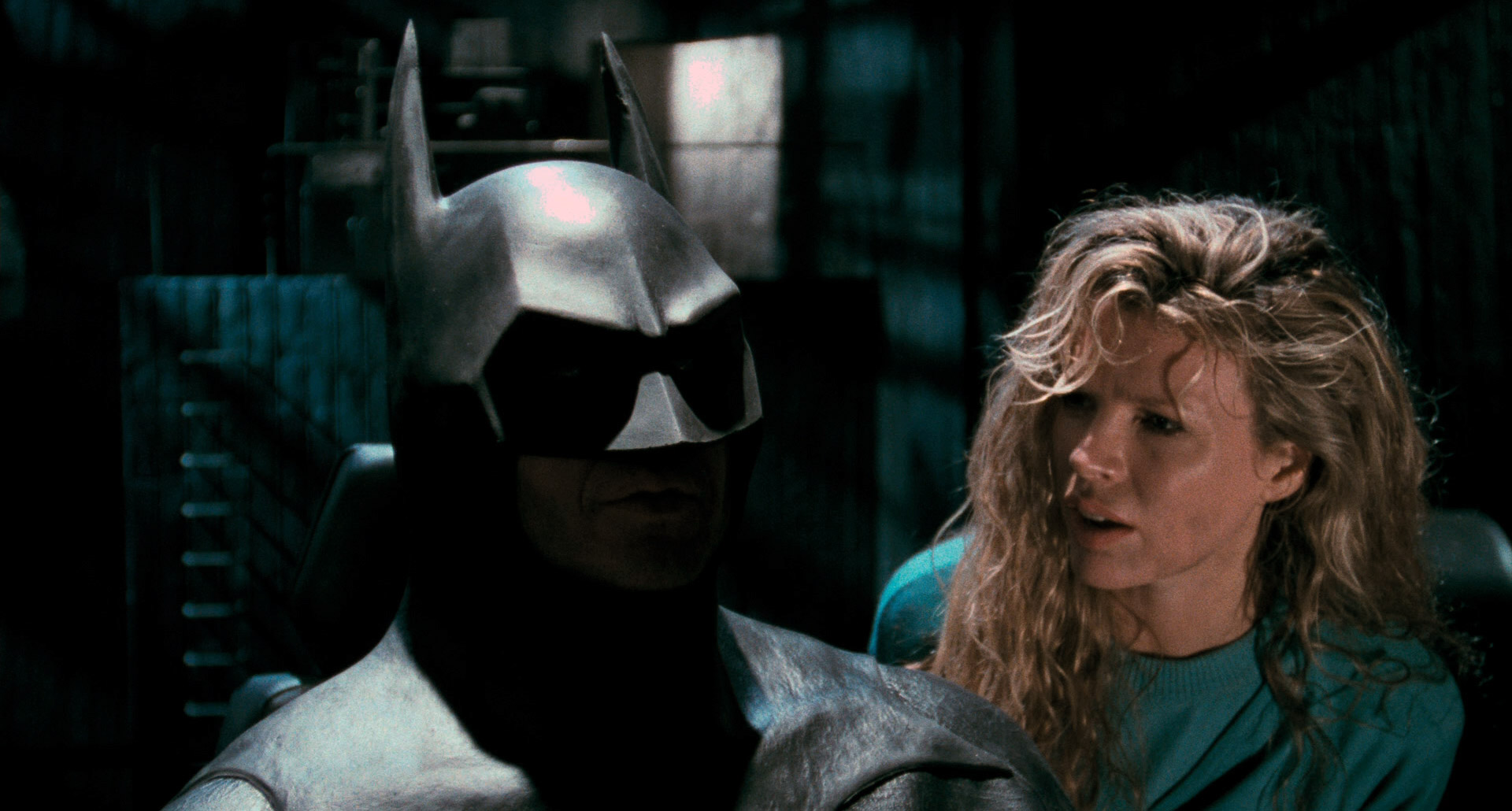
With the exception of Superman (1978) and its sequels, which were also all produced by Warner Bros., comic book IP had little foothold in Hollywood during the late ‘80s. The American movie business still favored adult dramas like Rain Man, Fatal Attraction, and Moonstruck, all of which were some of the highest grossing movies of their respective release years. For Batman, Burton reteamed with Beetlejuice’s Michael Keaton after the success of Beetlejuice. And, while Batman’s source material could hardly be described as comedic, especially considering the comics that were coming out in the ‘80s, Burton’s version of the character and his villainous counterpart, The Joker, were eccentric and prone to one-liners, not unlike Beetlejuice.
Playing opposite Keaton is Jack Nicholson as The Joker, a scenery chewing blast of histrionics that eschews the wanton brutality of the character in The Killing Joke for something more over the top: a gleeful and colorful villain to Keaton’s somber, tortured hero. Richard Donner’s Superman films are arguably the ur-text of the contemporary superhero movie, and the first film predates Batman by a solid decade. But Warner Bros. decided to do something with Burton’s film it didn’t dare attempt with Donner’s: it omitted its name from the marketing campaign, presenting the superhero as an icon, not just a man. Batman ended up being the second-highest grossing film of 1989, behind Indiana Jones and the Last Crusade, and spurred a massive, unexpected renewed interest in the character that lead to both Batman Returns (1992) and Batman: The Animated Series (1992-1995), not to mention countless imitators from envious studios.
In hindsight, Burton’s film feels small compared to comic book adaptations made now, including the most recent Batman films. Against the go-for-broke bombast of Christopher Nolan’s The Dark Knight (2008), it’s almost quaint. Nicholson’s Joker destroys an art museum with glee, but Heath Ledger’s Joker in The Dark Knight blows up a hospital. Burton’s Batman operates at a sort of tempered space for the character: far from the pop-art camp of the ‘60s, but not quite at the extremes of Frank Miller and Alan Moore’s world weary urban decay posturing, much of which inspired Nolan’s trilogy. Ultimately, Burton’s film has what you would expect from a movie titled Batman: action, latex, bad puns. But it also has something you might not expect in the late ‘80s, as the vigilante assumed a more misanthropic identity in comic book form. It has hope.
Batman screens this evening, July 1, and throughout this weekend, at Film at Lincoln Center on 70mm as part of the series “It’s All a Big Conspiracy.”
See Also