In his forward to a 2007 reprinting of the Romanian academic Mircea Eliade’s 1981 novel Youth Without Youth, Francis Ford Coppola describes wrestling with an “ambitious original screenplay” that would have been “the crowning moment of [his] career.” The project would make fresh contributions to “cinematic language” and explore two themes: “Time and Interior Consciousness.” At the time, the most decorated living American filmmaker hadn’t directed a film in 10 years, and his visionary comeback script was obstinately refusing to take shape. Then, University of Chicago Indologist and Coppola high school pal Wendy Doniger took a look at his drafts and suggested Eliade’s book, which, given its themes and plot, could just as well be titled Time and Interior Consciousness. Coppola saw himself in the magical-realist fable about a gifted man struggling to complete a magnum opus. Like its main character, an aging scholar restored to youth by a lightning bolt, he too would turn back the clock with his adaptation, embracing the chance “to be a young filmmaker again” by working on a shoestring budget with a small crew and no input from Hollywood. Youth Without Youth (2007) inaugurated Coppola’s late period of digital passion projects, which culminated in his taming of the aforementioned recalcitrant script and resulted in his—for better or worse—magnum opus, Megalopolis (2024).
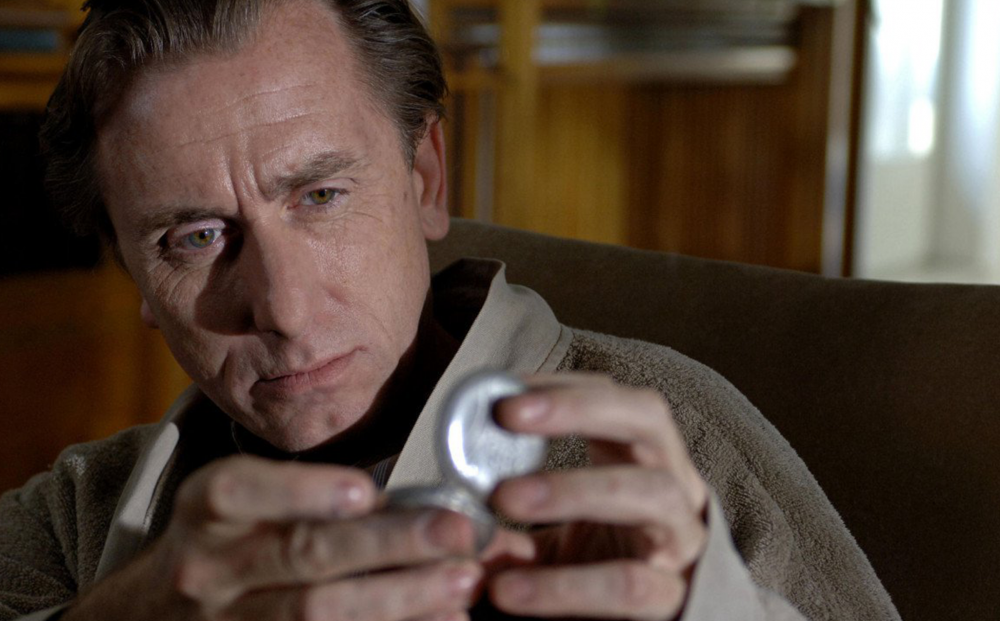
Tim Roth plays Dominic Matei, an 80-year old Orientalist still gnawing on his youthful ambition to uncover the origins of language and consciousness in a single comprehensive work. He is mocked by students for his sleepy lectures and is broadly pitied for having never finished his “one and only book.” In flashbacks, we learn that his commitment to the project cost him his engagement with Laura (Alexandra Maria Lara), leading him to double down on his fruitless quest for decades until he is struck by lightning while crossing an intersection on Easter Sunday, 1938. Miraculously, he survives. But when his full-body bandages are eventually removed, he realizes he no longer inhabits the decrepit body of an octogenarian, rather that of a vigorous man in his physical prime.
He reasons that the secret police will interrogate him if he reveals his true identity and, through his unprecedented de-aging and the help of Professor Stanciulescu (Bruno Ganz), assumes a series of false personae. He resumes his research in a remote villa and finds his intellect increased to superhuman vastness. In Coppola’s version of a DC/Marvel “new powers” montage, Matei first masters the material in books through effortless reading, then merely touching any text to absorb its contents, and then, as he reaches his final form, acquiring knowledge by merely wanting it. At last, the object of his desire is within his grasp. Complications arrive in the form of the gradually dissolving boundaries between his dreams and waking life, a second chance with Laura via a possessed doppelganger, and representatives of a Nazi scientist keen to locate the man who cheated Father Time.
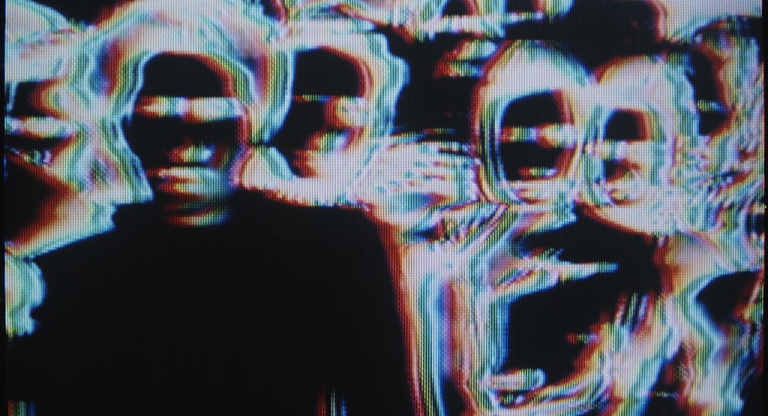
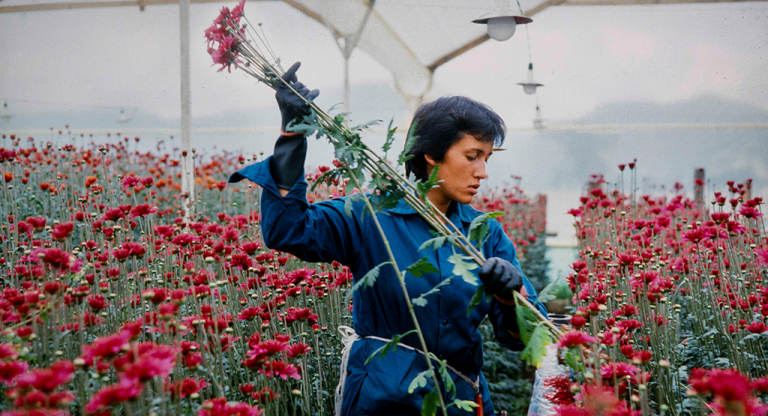
Youth Without Youth is visually ravishing, featuring sinuous collages of faces and flowers, courtesy of editor Walter Murch, and vivid color slathered on every frame. Like a film student milking cheap tricks, Coppola gains impressive emotional mileage out of simply turning the image upside-down again and again. It’s the work of an artist who still believes the wheel can be reinvented and that old tools are up for the job. That his reach exceeds his grasp does little to dull the pleasure we can take in the endeavor. Had Coppola never gotten Megalopolis off the ground, Youth Without Youth would have been a fitting final big swing in the career of an artist obsessed with greatness, beset by hubris, driven by risk and appetite. With a small fraction of the personal funds he would later use on Megalopolis, literally 1/100th of the budget, Coppola produced an equally sumptuous and far more approachable masterpiece centered on time and interior consciousness.
Youth Without Youth screens tomorrow afternoon, September 6, at Film Forum on 35mm as part of the series “Coppola.”