In the interregnum following the October 1973 Thai popular uprising, when students from Thammasat University and Chulalongkorn University organized under the National Student Center of Thailand to oust the military dictatorship of Thanom Kittikachorn, anti-communist paranoia among the ruling class and unrest in neighboring countries intensified reactionary backlash. Three years later, Thanom’s sneering return to Thailand as an ordained monk provoked renewed student protests calling for his expulsion, including mock processions parodying the military entourage that accompanied his monastic begging rounds. When demonstrators staged a critical reenactment of the murder of two labor activists, right-wing groups seized on the performance to levy inflated accusations of lèse-majesté, furnishing justification for violent, militarized repression. Early on the morning of October 6th, 1976, police and the paramilitary Red Gaurs laid siege to thousands of protesters gathered at Thammasat University, unleashing a massacre whose brutality continues to haunt Thai political life.
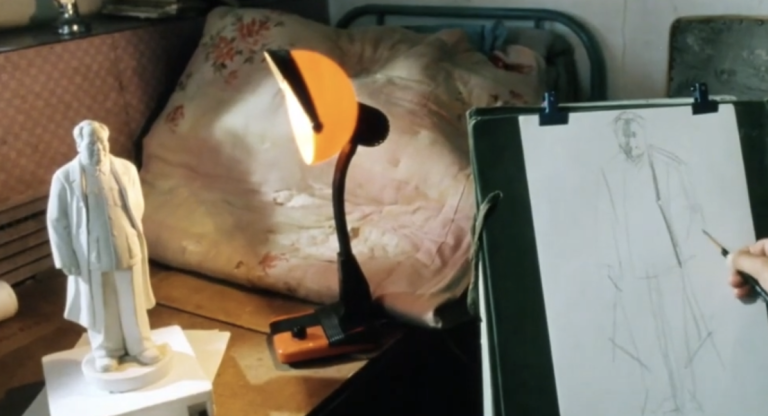
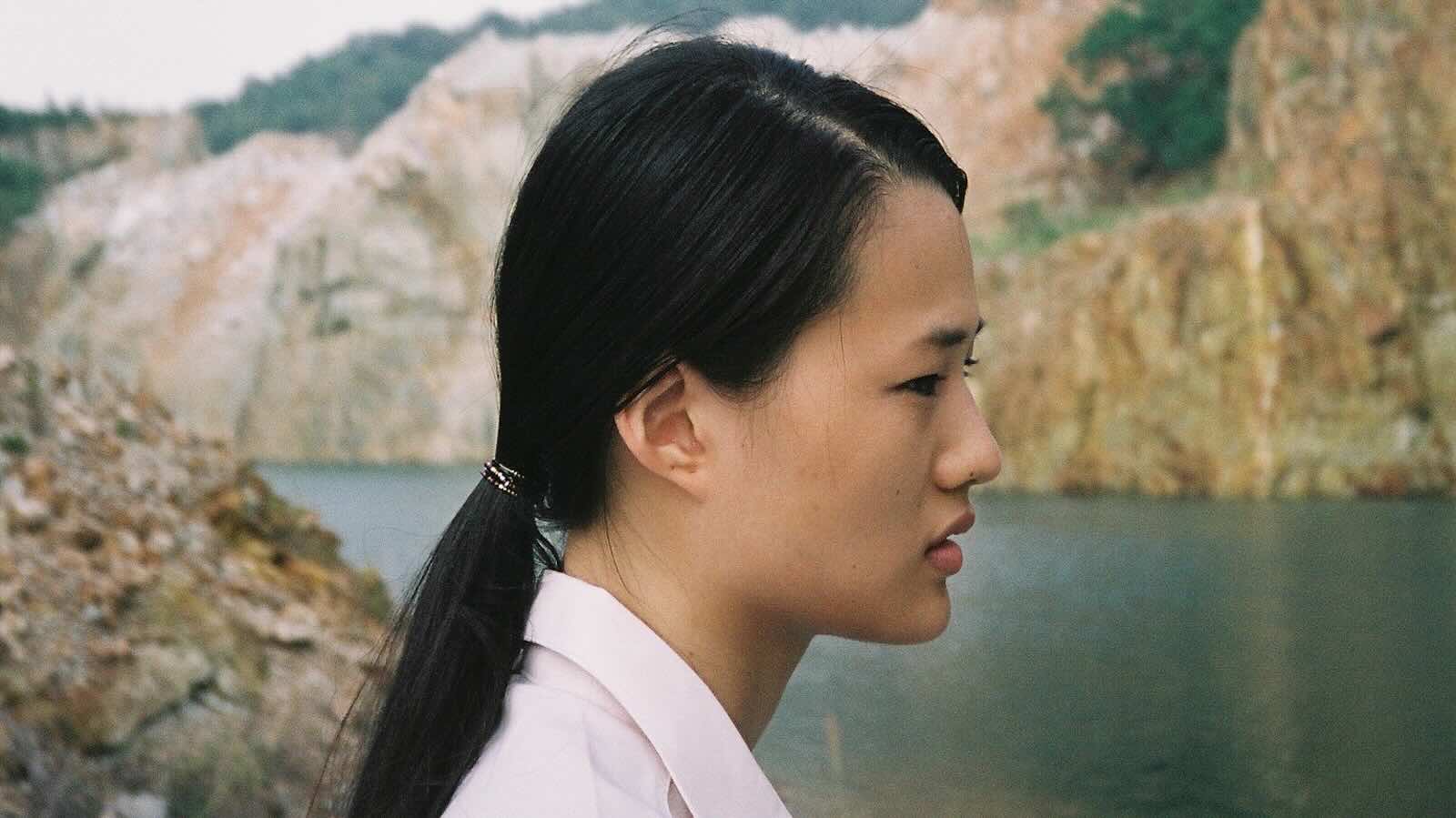
Photographs like Neal Ulevich’s Pulitzer-winning image have come to stand in for the memory of the atrocities themselves and it is this visual archive that haunts Anocha Suwichakornpong’s By The Time It Gets Dark (2016). From its first sequence, the film announces itself as a work about the challenge of representation and the ethical impasses of picturing historical violence. A film about filmmaking, it restages familiar photographs associated with the massacre while foregrounding the layers of mediation at play in the creation of the cinematic image. In one arresting shot, an officer smokes irreverently while brandishing a pistol, a recreation of Kraipit Phanvut’s iconic photograph of police colonel Watcharin Niamvanichkul. As Ann, the director at the center of Suwichakornpong’s story, contrives a shot of protesters laid out in rows before patrolling officers, her commands echo the right-wing Armour Radio’s broadcasts during the massacre, collapsing temporal distance between 1976 and the present moment of reenactment.
The film’s first half toggles between past and present through a series of interviews Ann conducts with Taew, a survivor of the events of October 6th. Taew remains elusive, holding Ann at arm’s length. Rather than deliver transparent testimony from Taew, the film drifts through Ann’s psychic landscape, only to rupture abruptly into a new narrative centered on a popular film star. Narrative strands fray into increasingly tenuous relation, as new actors restage an earlier scene between Ann and Taew and sequences on a music video set or in an editing room make the film’s multiple diegetic layers indistinguishable from one another. This gregarious experiment in form reaches a breaking point when the film actor at its center dies in a car accident, and the channel between reality and fiction is severed. The film’s house of mirrors finally folds in on itself, and a lucid account of the massacre from Taew accelerates the final movement into an acid-tinged trance that glitches into disintegration, as if history itself were buffering. The image, like memory, breaks down.
The film’s Thai title, Dao Khanong, hints at its elliptical treatment of history. Named after an industrial district in Bangkok that Suwichakornpong describes as omnipresent in street signs but “largely invisible,” the film is haunted by the memory of 1976 that cannot be resolved. More than contemplating history’s scars, By The Time It Gets Dark interrogates the unstable foundations for futurity produced by violence that remains unredressed. Its hypercontemporary ending gestures toward the continued reverberations of 1976 in Thailand’s present politics, including the coups of 2006 and 2014, and the protest movements that have intensified since 2020.
Though frequently compared to the work of fellow Thai director Apichatpong Weerasethakul, By The Time It Gets Dark rather calls to my mind Tongpan (1977), a docu-fictional critique of developmentalist paternalism made by the Isan Film Group amid the upheavals of the 1970s. As if heeding Tongpan’s cautionary tale of heated seminar debates that rage on cluelessly while dispossessed laborers continue to struggle for their lives, Suwichakornpong never lets the film’s ethical questions of representation stray into abstraction. A nameless woman who reappears in various service jobs across the film's multiple narratives keeps us tethered to mundane reality. Along the way, each narrative break is imbued with uncanny historical specificity. For example, the rupture of diegesis through the actor’s car accident may call to mind the 1973 Thung Yai poaching scandal’s helicopter crash, which shattered the Thanom regime’s façade of legitimacy. The unnamed woman’s appearance as a monk in the final sequence sits uneasily against the contamination of the religious sphere by political corruption, as in Thanom’s return. Suwichakornpong’s garrulous formal shifts, then, are irreducible to experimental flourishes. The film’s unstable images speak not simply to a formalist analysis of cinema, but insist upon the image as a terrain of political and legal power. Naming the fraught conditions of articulation within contemporary Thai politics and the cognitive dissonance of inassimilable realities, contradiction and confusion is the point.
By the Time It Gets Dark screens this afternoon, February 22, at Metrograph as part of the series “Politics of Time: The Films of Anocha Suwichakornpong.” The director will be in attendance for a Q&A after the screening.