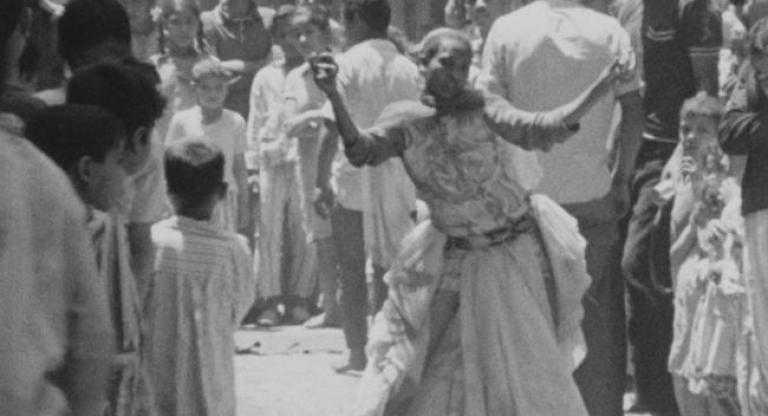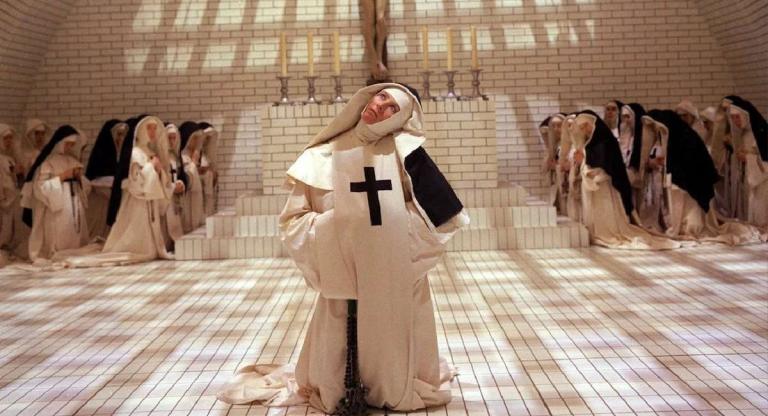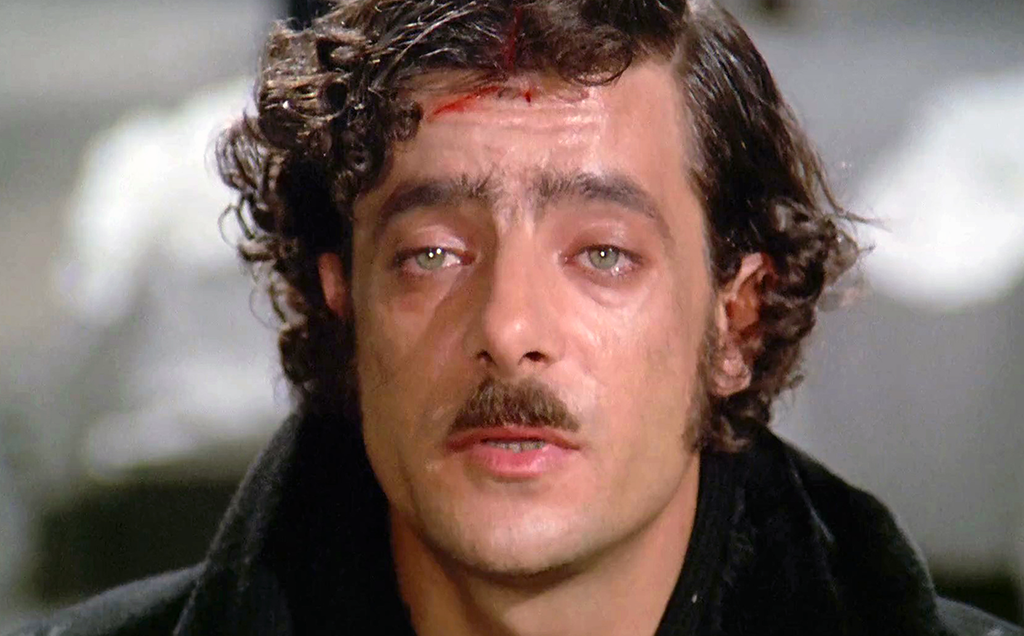
Any DSA chapter could stand to collectively bargain for a group discount to the new 4K restoration of Lina Wertmüller’s The Seduction of Mimi (1972) at Film Forum. Its meditations on revolutionary fervor, gender politics, and the tension between individual desire and shared struggle were cannon fodder for a comedy 50 years ago. Today, they read like a manual on what to expect when you’re expecting solidarity.
Carmelo Mardocheo, or “Mimi” (Giancarlo Giannini), is a Sicilian day laborer who’s had enough. Fed-up with the regional mafia’s influence on local politics, he leaves his wife for the greener pastures (read: smog-filled skies) of Turin, the industrial capital of Northern Italy. But it isn’t long before he again runs afoul of the criminals in charge (all ingeniously portrayed by Turi Ferro) and must make the first of the many concessions that will compromise his character and come to define his existence.
In Turin, he meets the avowed Trotskyist Fiorella Meneghini (Mariangela Melato, in the first of three collaborations with Giannini and Wertmüller) selling hand-knit sweaters by the side of the road. Enamored by her one-two punch of beauty and praxis, he sets about courting her with his hot-blooded Southern Italian ways only to learn the hard way that romance, like revolution, takes time and sometimes a softer touch.
Nevertheless, he persists, and the dice are cast: how does desire factor into the Socialist axiom, “From each according to his ability, to each according to his work?” Like a wrench in the gears of an industrial plant, at least according to Wertmüller. It’s the rare case of an overtly political film that is as entertaining—and funny—as it is an honest depiction of life amid the so-called “Italian economic miracle” that saw both a rise in the standard of living and the spread of institutionalized corruption.
Today’s young revolutionaries could take note. What makes Wertmüller’s films so radical are the ways she captures the discrepancies between ideals and the humans who must uphold them. We want better wages and working conditions, but we don’t want our kids working the same jobs we fought for. We want evolved, progressive relationships that we’re maybe not-yet equipped to be able to share. There’s a scene in which Mimi and Fiore, stylishly dressed and sore from the dual weights of romance and romanticism, trod solemnly through an empty city that could be ‘70s Turin, or Chicago or Brooklyn today. The Italian title, which translates to “Mimi the Metalworker, Wounded in Honor,” may be more precise, but The Seduction of Mimi captures the film’s thorny poetry: be it for love, sex, or honor, for ideals, or simply a shot at a better life, we all like to think we’re not so easily seduced.
The Seduction of Mimi runs April 24-30 at Film Forum.