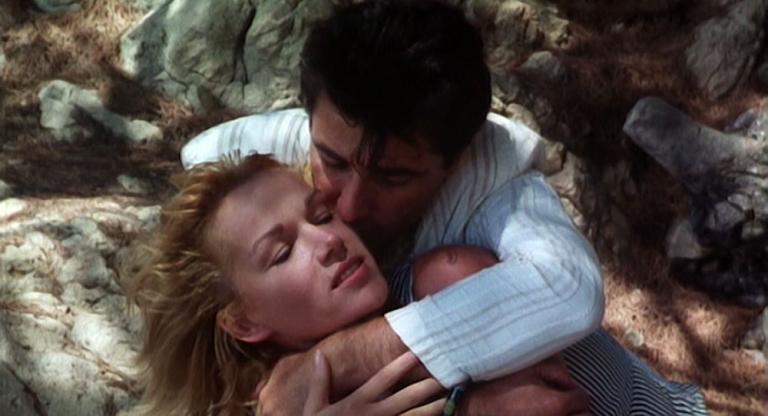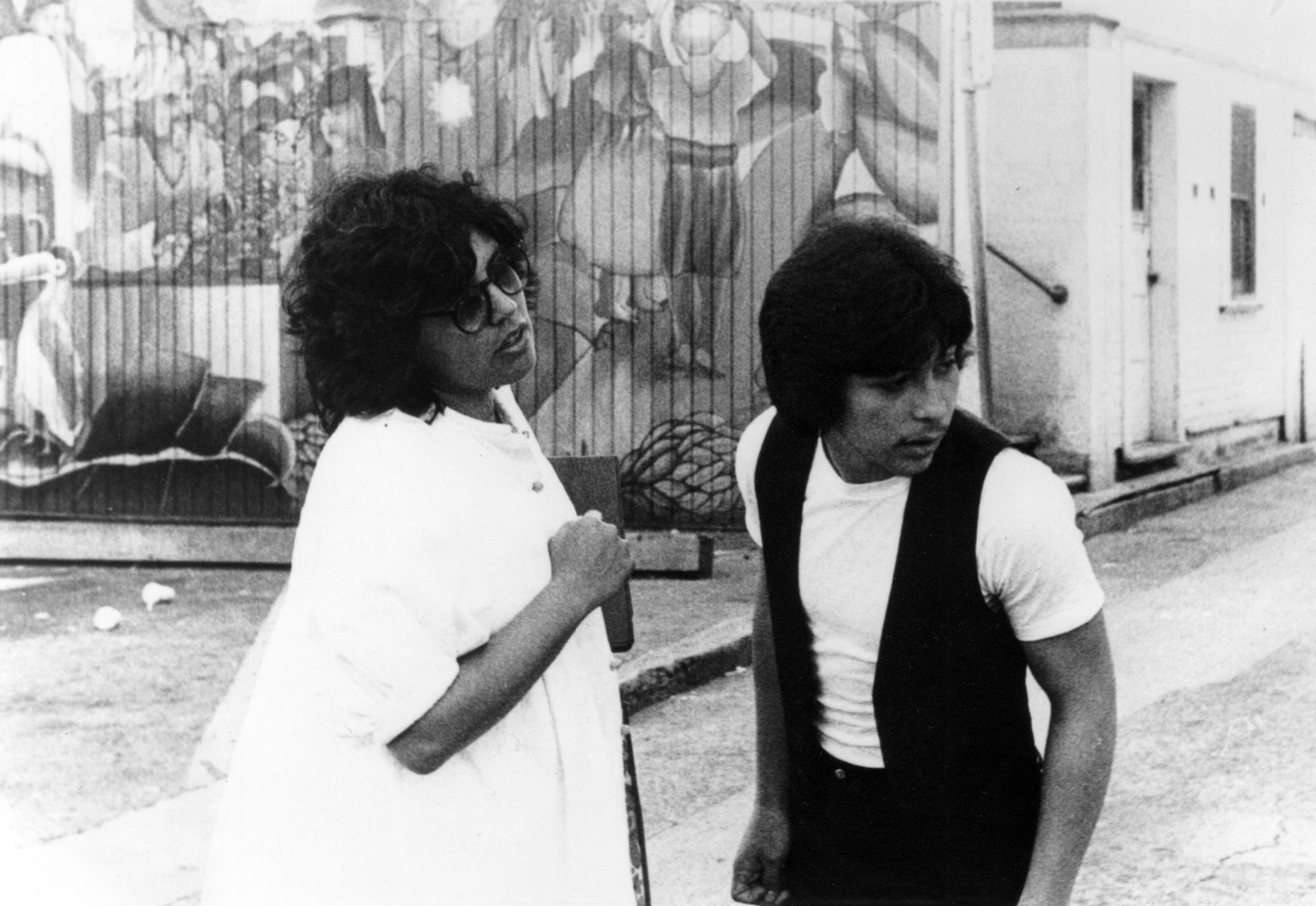
Tonight, as part of its ongoing series “Immigrant Nation: People in Transit,” the Museum of Modern Art will present three short films about the experience of exile. Two of these films are documentaries made by Chilean exiles, while the other is a short fiction film made between California-based artists Nina Serrano and Lourdes Portillo. The latter is After the Earthquake (1979, pictured at top), in which a young Nicaraguan woman in San Francisco’s Mission district struggles to adapt to her life in the United States in the wake of the 1972 earthquake that devastated Managua and left over 300,000 people homeless. Among other causes, the earthquake also catalyzed many disaffected Nicaraguans to join the Sandinista National Liberation Front and demand national change given the widespread corruption that came to characterize their government’s relief efforts. Apropos of the film, Serrano said: “At the time, Latin America was in upheaval with a revolutionary civil war taking place in Nicaragua, and horrendous repression in El Salvador and Guatemala. Argentina was run by murderous generals as was Chile. Our neighborhood reflected this with the ground swell of new Latin American immigrants, especially Central Americans. We ourselves and all our friends were supporting the Sandinista led revolutionary movement in Nicaragua.”
Elsewhere and further North, in Canada and Finland respectively, Marilú Mallet and Angelina Vásquez Riveiro would author two different documentaries as exiles. Both women came up in the same school system in Chile and were part of the political coalition that supported President Salvador Allende; Vásquez Riveiro was also a member of the Equipo Tercer Año, the team behind Patricio Guzmán’s The Battle of Chile (1975-1979). Naturally, though unjustly, both had to leave Chile in the aftermath of the 1973 CIA-backed coup d'état alongside an estimated 200,000 Chileans forced into exile. Vásquez Riveiro’s Dos años en Finlandia (or, Two Years in Finland, 1975) chronicles this condition, blending footage of Chileans fending for themselves amid the snowy Finnish landscape and black-and-white interviews with refugees who describe their experiences being tortured in Chile. It is a gutting film, but it ends with a bit of hope, depicting Chilean exiles marching in solidarity with Finnish workers.
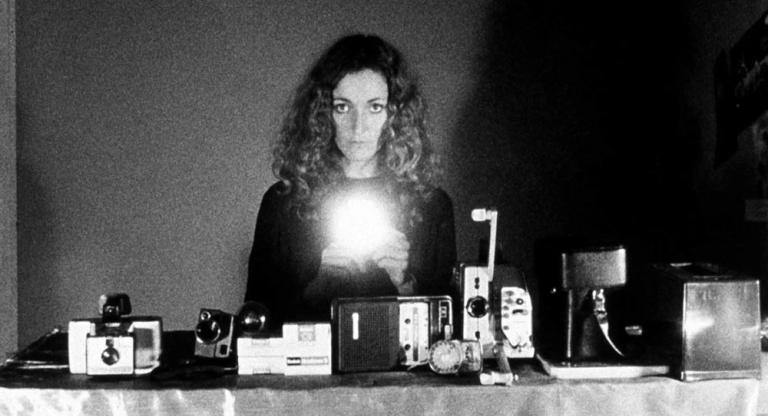
The program’s centerpiece film, Mallet’s An Unfinished Diary (1982), shares much of the same concerns as Vásquez Riveiro’s short, but approaches them through a wholly singular and all too personal lens. Mallet, who is now recognized as one of Chile’s great exiled essayists and documentarians, films her life in vignettes, shooting from a position of uncertainty that’s anchored in the need to express the struggles of Chileans in Quebec and the great unmooring that occurs when an individual is forced to move from one pole on Earth to the other. Between long shots of her baby blue Volkswagen beetle trudging through the snow and scenes in which fellow Chileans describe the injustices of life abroad, much of Mallet’s film concerns itself with her own sense of unease in Canada despite her ostensibly easy integration and her troubled relationship to her then-husband, the Australian filmmaker (The Peanut Butter Solution, Waiting for Fidel). Her nakedness before the camera evokes the work of Anne Charlotte Robertson, or anticipates that of Joanna Arnow, though it’s always evident that Mallet’s personal problems are rooted in unresolved political issues. Her film, unfinished and unabashed, captures a certain truth about exile: the confusion that results from being whiplashed after a sudden, horrid event uproots your life and places you elsewhere, not somewhere.
“Portraits of Exile: Portillo, Serrano, Mallet, Vázquez Riveiro” screens this evening, July 31, at the Museum of Modern Art as part of the series “Immigrant Nation: People in Transit.”