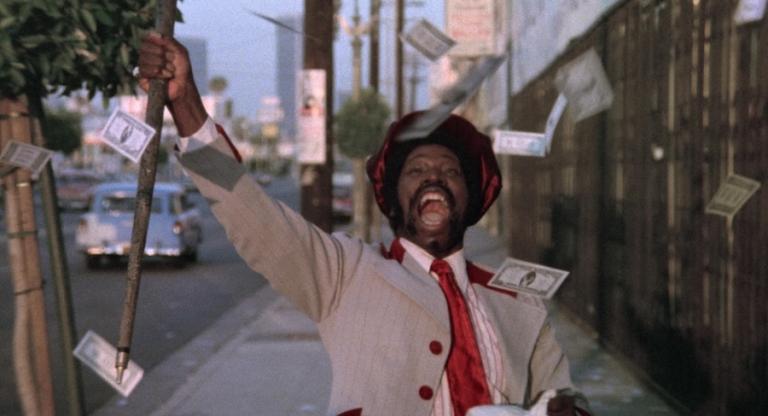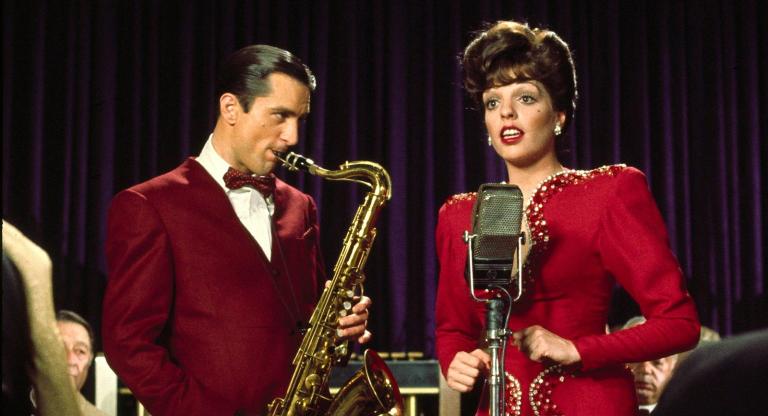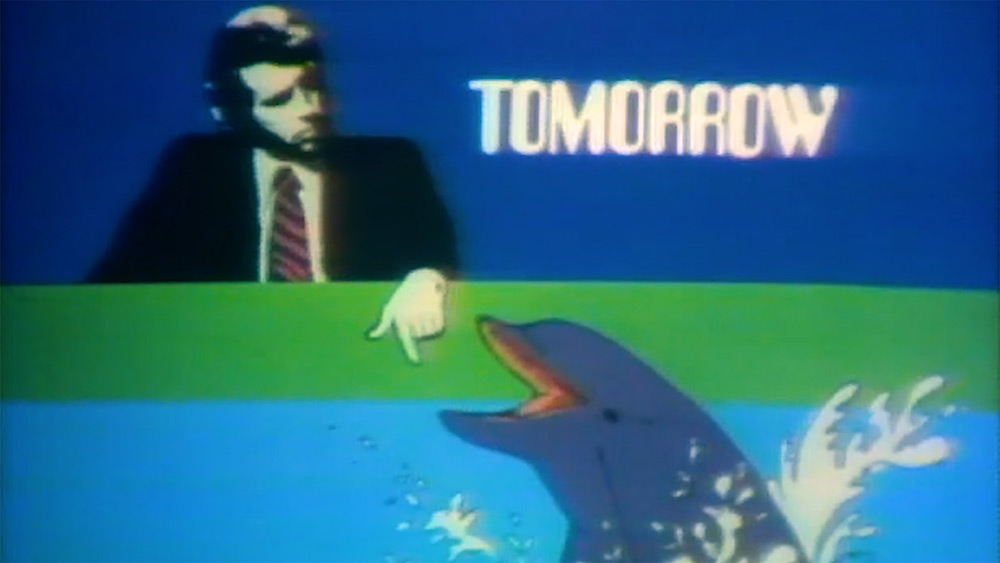
Marked by his unique brand of weirdness, the legacy of the 1960s neuroscientist and “psychonaut” John C. Lilly offers up an uncanny reflection of that era’s American psyche. Lilly’s scientific research, supported by the U.S. government and, later, subsidized by his own inherited wealth, defies categorization—except as a product of the postwar countercultural zeitgeist. In his attempts to map the outer limits of human consciousness, Lilly invented the isolation tank (dramatized in Ken Russell’s 1980 sci-fi horror Altered States), pioneered interspecies communication with dolphins (satirized, if unintentionally, in Mike Nichol’s 1973 sci-fi thriller The Day of the Dolphin), and combined them with personal experiments on LSD.
Michael Almereyda and Courtney Stephens’s new documentary, John Lilly and the Earth Coincidence Control Office, presents a roughly chronological account of Lilly’s life, told through a collage of psychedelic source material (among other playful elements, sequences from Sega’s 1992 8-bit video game Ecco the Dolphin serve as a recurring transitional motif). The film focuses on the ambitious aims and profound contradictions in Lilly’s work with cetaceans, and its subsequent impact on linguistics, new age therapies, and the environmental movement.
Taking a “just the facts” approach to their archival material, heighted by Chloë Sevigny’s even-handed narration and an ethereally detached ambient score, Almereyda and Stephens allow viewers to come to their own conclusions about the ethical controversies shrouding Lilly’s theories. Stephens has made creative use of found footage in other works, like her performance/essay film Terra Femme (2021), about women’s travelogues. In this case, the technique was also a practical device; the filmmakers conceived of and completed much of the documentary during the covid-19 pandemic. Here, observing the sheer variety of both Lilly’s projects and the media about them, the viewer is transported through a cinematic wormhole, back to the fevered midcentury convergence of mainstream conservatism and bohemian libertarianism.
Lilly’s utopian rhetoric, surely honed during his tenure at Esalen in the late ‘60s and ‘70s, perfectly prefigures the blithe, technocratic optimism of Silicon Valley’s “Californian Ideology.” More immediately, Lilly’s research—indirectly affiliated with covert mind control experiments like MKUltra—cannot be disentangled from far-reaching military investment in scientific knowledge production. The Earth Coincidence Control Office (ECCO, for short), described only briefly in the film, is a supposed network of extraterrestrial agents that Lilly claimed was engineering coincidences for humans; it was 1973, and he was then taking hourly ketamine injections. If consciousness is indeed a “consensus simulation,” as Lilly called it, perhaps we need only to question directives handed down by the halls of power in order to break through.
John Lilly and the Earth Coincidence Control Office runs March 27-April 1 at DCTV. Co-director Courtney Stephens will be in attendance for a series of Q&As.
See Also