Even within the messy history of Academy Award upsets, a few jaw-dropping moments rise above the fray: Judy Holliday besting Gloria Swanson and Bette Davis for her comedic turn in Born Yesterday (1950); Marisa Tomei pulling a Judy Holliday on Judy Davis and Vanessa Redgrave for My Cousin Vinny (1992); and, more recently, l’affair du La La Land (2016). In serious cinephile circles, the Oscar movie is bandied about as a pejorative, meant to describe a particular brand of industrial treacle beloved by square and uninterested Academy voters. How else to explain the notorious snub of Orson Welles’s Citizen Kane (1941)? Now safely ensconced in Film History Valhalla, even Welles’s audacious debut was not immune, losing Best Picture to John Ford’s sentimental coming-of-age yarn How Green Was My Valley (1941).
Whatever surprise occurred during the 14th Academy Awards, Welles took it in stride. When asked to list his three favorite filmmakers, the perennial enfant terrible allegedly replied, “John Ford, John Ford, and John Ford.” Within this pithy, albeit apocryphal reply lies a kernel of truth.
Born in 1894, just two years before the first exhibition of Georges Melies’s actualities, Ford cut his teeth in the proverbial wild west of silent filmmaking, amassing a vast filmography of one- and two-reelers before shepherding his home studio, Fox, through the uncertain wilderness of talking pictures. By 1941, an entire generation of artists and technicians had grown up seeing “Directed by John Ford” on the screens of movie palaces and mom-and-pop cinemas. When Ford beat Welles for that year’s Best Director honor, he’d already been making films for a quarter of a century.
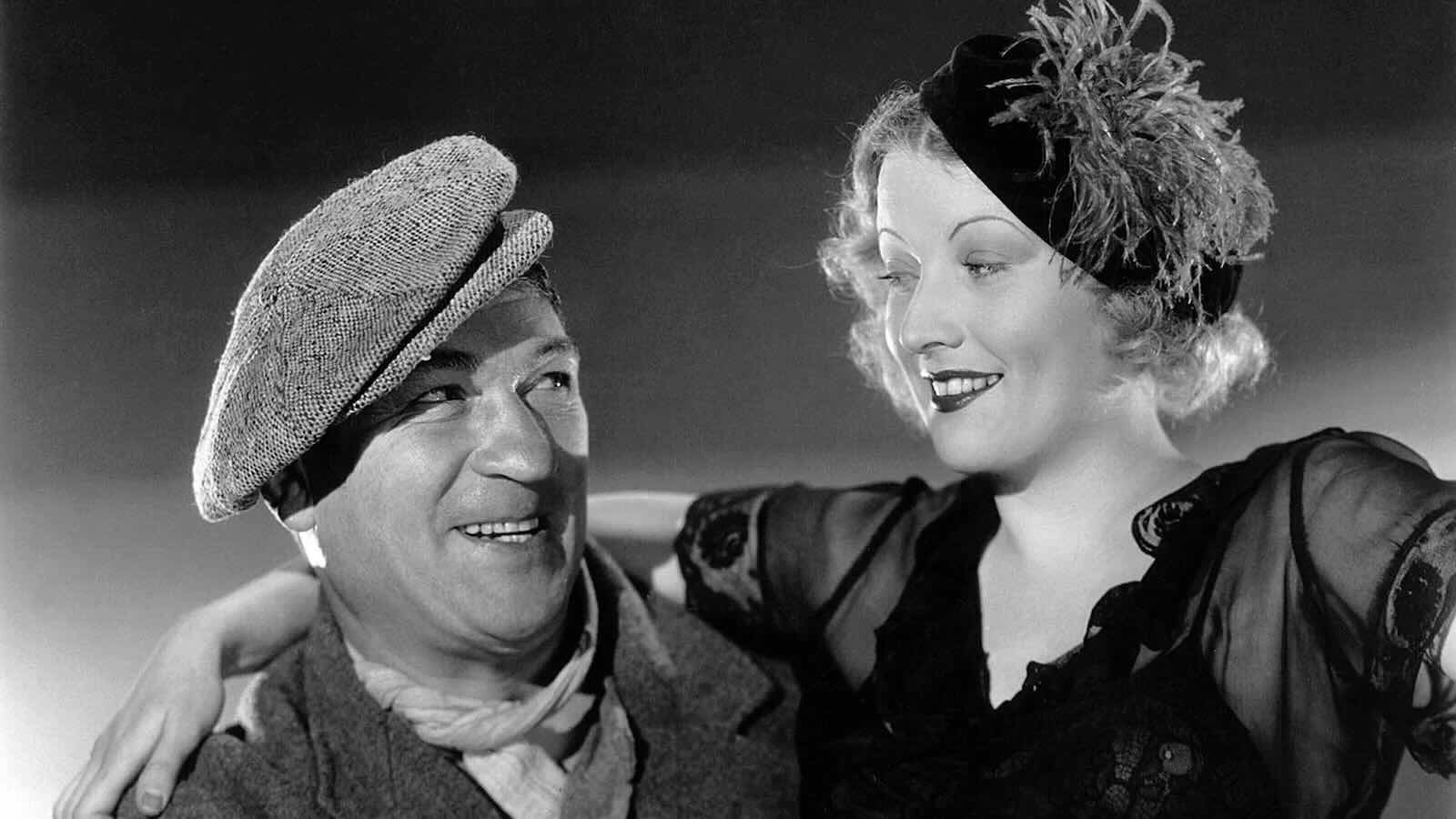
It’s fitting that Ford snagged his first statuette not for a rugged horse opera, but for a seething proto-thriller that influenced filmmakers for decades to come. Based on Liam O'Flaherty’s eponymous 1925 novel, The Informer had already received the big screen treatment in 1929, but here is where the similarities cease. A decade before French critic Nino Frank christened one of cinema’s most recognizable genres, Ford unleashed a film noir avant la lettre. Unfolding against the backdrop of the 1922 Irish War of Independence, the Dublin-set tragedy of a guilt-ridden stool pigeon and his descent into oblivion bears all the atmospheric hallmarks of its broody descendants. Choked with fog and cloaking shadow, action flitting from alleyways to conspiratorial cellar meetings, The Informer offers a fleeting glimpse of the medium’s future; one undeniably shaped by the director’s silent era past.
Though slightly more sympathetic to the cause than Carol Reed’s 1947 IRA noir Odd Man Out, studio censorship and American-British relations kept much of the source novel's anti-imperialist bite from making it to the big screen. The resulting film trades political fervor for nuance, bordering on sympathy, for back-stabbing Irish footsoldier Gyppo Nolan. Tasked with executing a captured British “Black and Tan” officer, Nolan exercises mercy at the last minute, releasing the prisoner and jeopardizing “the Organization” at large. These are dangerous times, to be sure, when Christian charity must be meted out piecemeal: after the resulting court martial, Nolan is effectively “exiled,” in everything but name, from his fellow militants. Alienated and impoverished, the temperamental oaf finds solace at the bottom of a bottle and in the arms of a streetwalker dreaming of an American exodus. When the “Tans” advertise a £20 bounty for Nolan’s best friend, the fugitive Frankie McPhillip, desperation takes root, building to a first-act climax that may well be the most devastating 90 seconds of Ford’s career. From the undeniably expressionistic opening scene—six wordless minutes decrying colonial brutality and moral decay—to its devastating and decidedly Catholic finale, the sorrowful ballad of this Hibernian Judas unfolds like a latter-day Passion Play. Just as we foresee what miserable end awaits the Nazarene, there is no secret to the fate that lies in store for Nolan. In the nooks and crannies of backlot Dublin, we are mere bystanders on the sidelines of one man’s moral failure and mortal fall.
The Informer screens this afternoon, January 11, and on January 13, at Metrograph on 35mm as part of the series “Fugitive Days.”