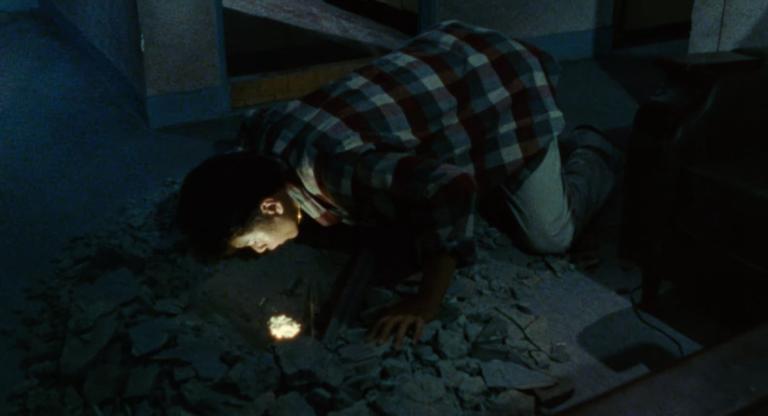
A paranoid poverty-row noir produced, and perhaps also directed in part, by its freshly blacklisted star, Hollow Triumph (1948) is one of the bleakest entries in the genre. Paul Henreid, newly outcast from Hollywood for standing up to the House Un-American Activities Committee during its rampage through the movie business, stars as a low-level criminal just released from his latest stint in prison. Already boasting a long rap sheet—including a prior charge of impersonating a psychiatrist, more on that later—he is itching for another score and convinces his outfit to hold up a local gambling den operated by rival hood Stansyck. But when the robbery goes awry, Henreid finds himself on the run from some of the most feared bounty hunters in the racket.
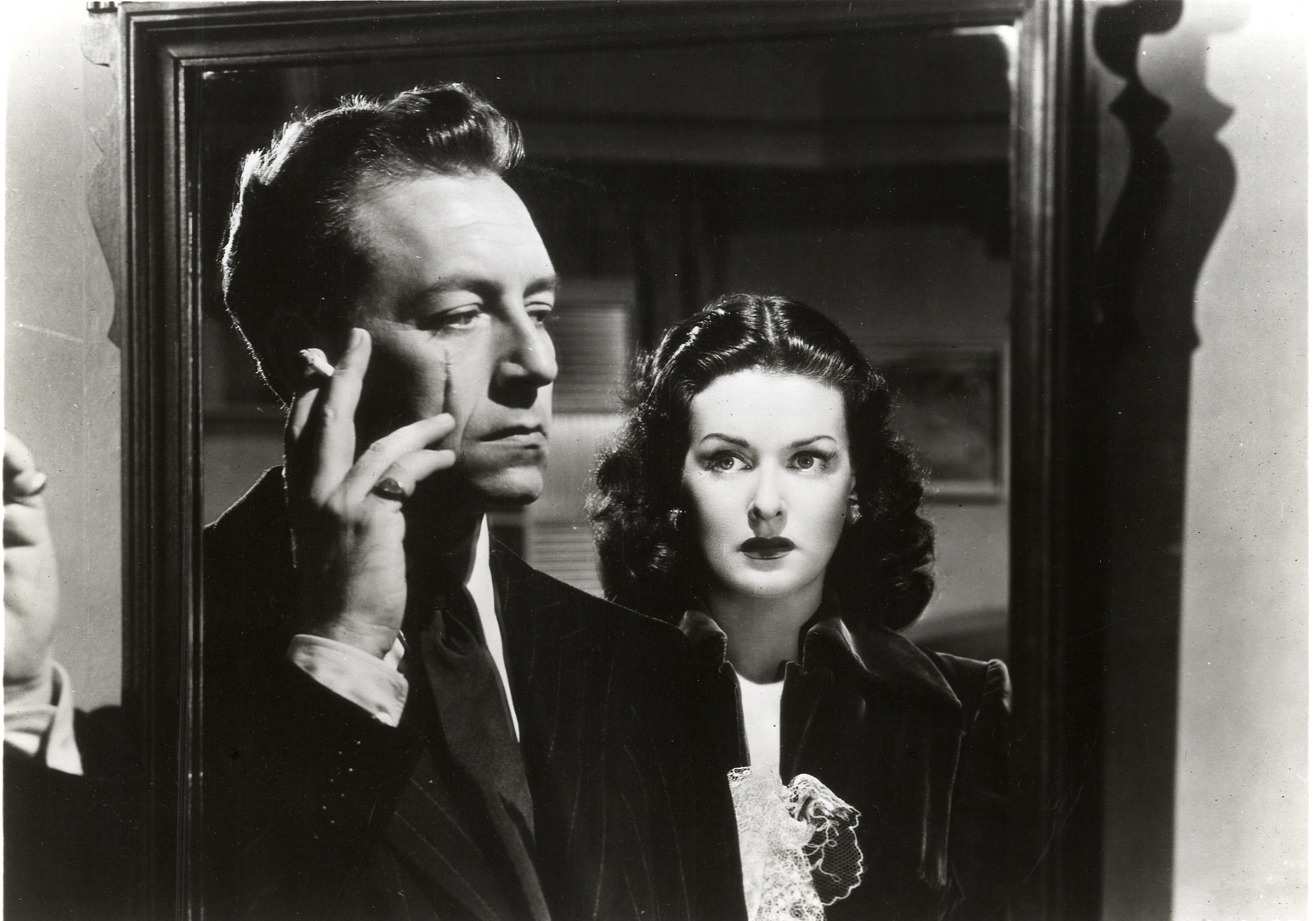
While taking on menial jobs in Los Angeles, he discovers he bears an uncanny resemblance to a prominent psychotherapist named Viktor Bartok. What follows is a dizzying doppelgänger dance as the mobster seduces Bartok's assistant (Joan Bennett) while plotting to take his double's place entirely. All the while, Stansyck’s men are closing in. The inky depths of John Alton's cinematography both fill the space where a threadbare budget skimps on production design and deepen the film's silken waking-nightmare atmosphere. Balancing expressionistic POV shots with neon-throbbing chiaroscuro, Alton displays the mastery he would confirm in his subsequent collaborations with Anthony Mann.
Prolific B-movie director Steve Sekely (birth name István Székely) handles the material with effective frugality. A key sequence in which the gangster decides he must make one fateful alteration to his face to better resemble Bartok keeps the gruesome act offscreen, yet every inch of the slicing blade feels viscerally present. Depicting a hardscrabble Los Angeles, the film makes great use of its location work, including an unforgettable chase that culminates on the iconic Angels Flight funicular.
What also sets Hollow Triumph apart is its gallery of vivid, one-scene oddball characters—whether Henreid's villainous Pee-Wee Herman-esque boss or a fellow grease monkey who dreams of becoming a dancer. The film is a rich blacklist text, its sense of constant pursuit lending it an unrelenting, cornered urgency. So does Henreid's desperate need to vanish into a new persona. Boasting a doubly somber conclusion, Hollow Triumph ends as it begins: with no way out.
Hollow Triumph screens June 2 at the Roxie as part of the series "Film Noir’s Visionary Genius: John Alton," programmed by Elliott Lavine.