A member of the Sixth Generation of filmmakers, alongside Lou Ye and Jia Zhangke, Wang Xiaoshuai's films similarly explore the gritty truths of street-level life in China. As such, his work, like that of Lou and Jia, has faced censorship and outright bans in its native market. Frozen (1995) is a perfect case in point. Screening in 35mm as part of “Chinese Portrait: The Films of Wang Xiaoshuai,” a rare retrospective of Wang's work at the Asia Society with the filmmaker in attendance, Frozen is one of his most confrontational works.
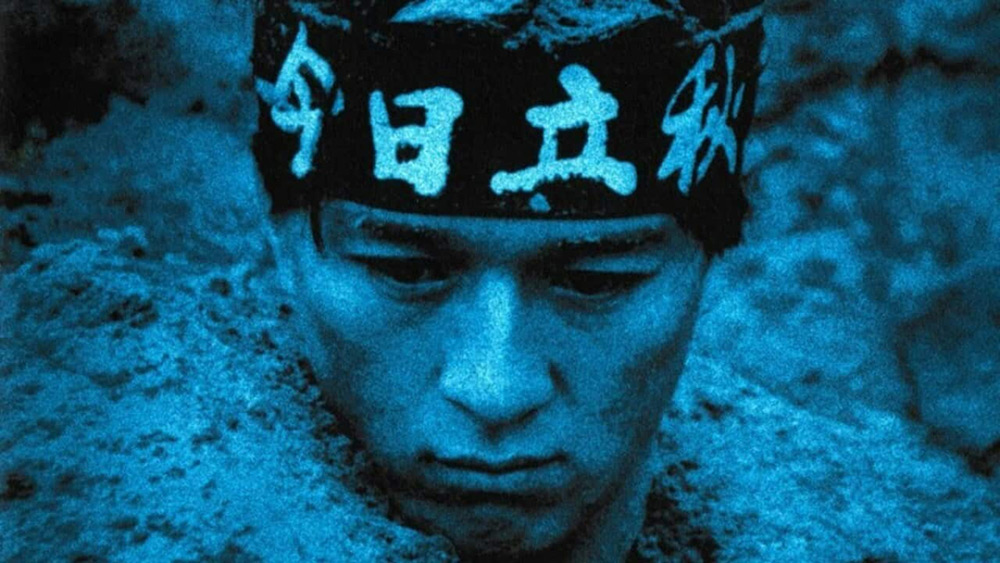
A portrait through a glass darkly, Frozen follows the last days of a multi-disciplinary artist who intends his final piece to culminate in his own death. Portrayed by a taciturn Jia Hongsheng (his own real life tragically cut short), our antihero is part of an art scene in which other members also perform acts of self-harm in public spaces. (A performance piece involving a meal of soap bars is particularly unnerving.) In Wang's film, the art world appears neither as a business nor as a cultural force. Jia and his associates are truly working on the fringes of society, seemingly subsisting on cigarettes and beer and creating their work as expressions of alienation with the world around them—specifically, a world shaped by the aftermath of the Tiananmen Square Massacre. Hopelessness permeates the film, as does desperation and an irksome sense of surveillance. A young woman plunges, without explanation, to her death from a great height. The audience is given entrée into Jia's underground scene—one can only imagine what other pockets of desperation exist in the naked city.
Jia's performance pieces follow the cycles of the seasons as well as the four elements. Three burials—first in earth (autumn), then in water (winter), and then in fire (spring)—lead to Jia's climactic finale in ice on the first day of summer. Jia’s determination is matched only by his interiority; though his sister, girlfriend, and friends attempt interventions, he remains numbly committed to his course. Filmed in secrecy, Frozen is claustrophobic. Interiors are tightly framed and even exteriors are similarly cramped by the city's concrete facades. A twist ending of sorts appears to release some of the building pressure, though Wang makes clear any respite is short-lived. Aptly named, the world of Frozen is harsh and unchanging, a seeming lifetime away from any thaw.
Frozen screens this evening, March 6, at Asia Society on 35mm as part of the series “Chinese Portrait: The Films of Wang Xiaoshuai.”.