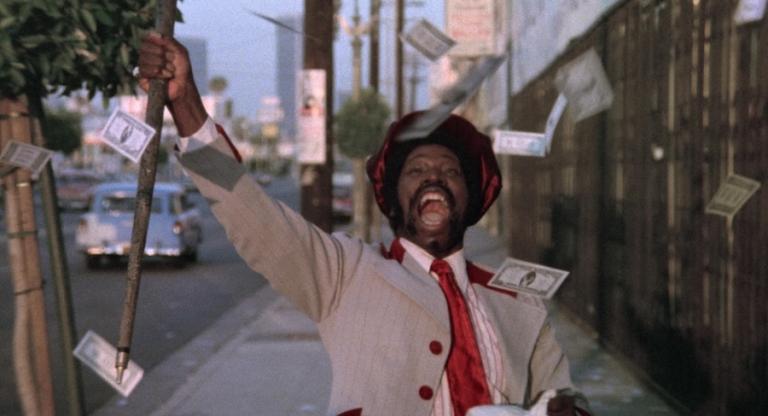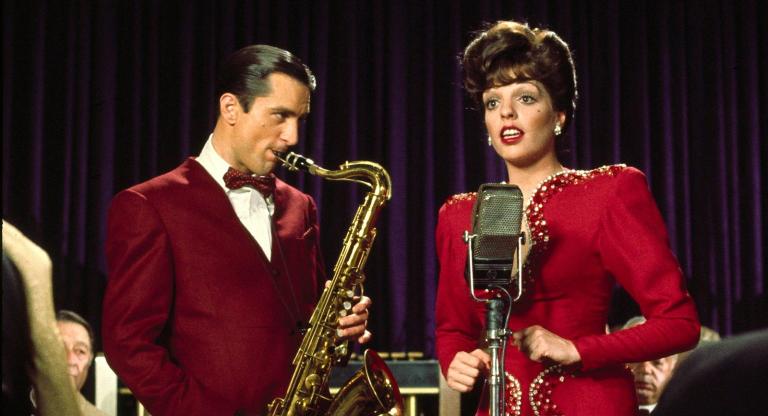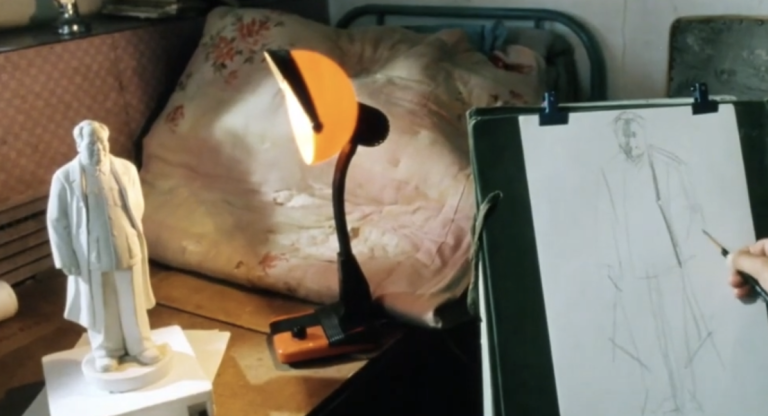
Cinema is rife with examples of the time-loop narrative structure, with Harold Ramis’s Groundhog Day (1993) existing as the pop culture saturation point of the concept and, for many, its urtext. If you read nearly any review of a film that uses, or references, the concept from the past three decades, the reference point is more than likely going to be Ramis’s oft-celebrated and oft-imitated Gen-X comedy. Alain Resnais, however, beat Ramis to it with Je t'aime, je t'aime (1968). Decades after each film was made, god-tier aesthete Tony Scott sought to render time—past, present and future—as malleable and indexical in the same breath. The resulting film, Déjà Vu (2006), feels as informed by the aforementioned works as it does by a totally new image-based medium: video games.
Scott’s career, more than most, feels split in two, with that clean break happening right around Y2K. I’d argue that the break happened following the turn of the millennium with 2001’s Spy Game, but I wouldn’t contest anyone who’d posit that 1998’s Enemy of the State signaled the sea change in Scott’s aesthetics either. However you define this switch, the work in the second half of Scott’s career feels irrefutably influenced by the aesthetics and mechanics of Y2K-era video games like Perfect Dark (2000) and Max Payne (2001), with Spy Game hitting theaters just a year after the Playstation 2 arrived in millions of gamers’ homes. These films are hyper-mediated to a fault: dizzying amalgams of satellite images, mixed-media, and split screens. And, they all prominently feature characters that appear, for all intents and purposes, bulletproof. These films are Scott in God Mode, all cheat codes enabled for maximum return on investment.
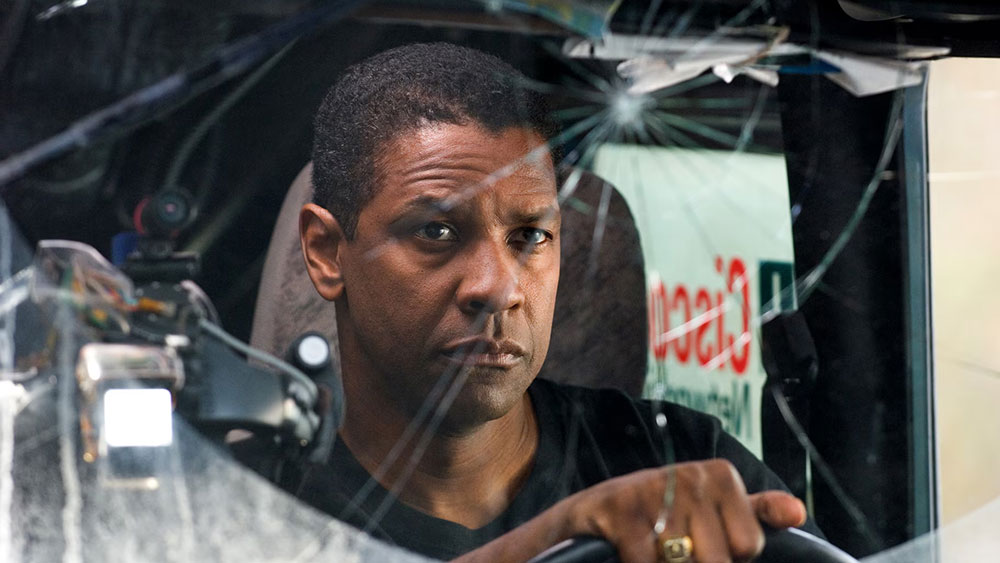
In the case of Déjà Vu, Scott wasn’t just working within the aesthetics of video games but engaging their conventions too. Any tried-and-true gamer sitting with Déjà Vu for 126 minutes will find its logic and narrative beats familiar, if not outright comfortable. Scott, with a script from Bill Marsilii and Terry Rossio, is working within various genres and modes of video games in Déjà Vu; most notably, the roguelike and point-and-click adventure. Rather than present Déjà Vu as a traditional time-loop narrative, Scott’s film allows a federal agent, played by Denzel Washington, to use time-manipulating technology to move freely across time and space. His character doesn’t die and get resurrected, as in a traditional roguelike structure. Instead, as he uses this technology, he gains additional information about an impending terrorist attack he’s working to prevent within specific windows of time. Scott takes this all further by having Washington’s character constantly glued to various monitors, rewinding and fast-forwarding time. He’s as much a gamer as we are.
If this sounds convoluted, it is. Déjà Vu is an incredibly unwieldy film for a major studio. It asks a lot from its intended audience and even more from Washington, who spends the bulk of the film interfacing, rather convincingly, with monitors of various shapes and sizes. It’s Scott doing what Scott did best: propelling action by any means necessary. As in his submarine-set chamber-thriller Crimson Tide (1995), Déjà Vu thrives on extended sequences of heavy exposition that are cut like action scenes. Plus, it thrusts Washington into one of the best car chases of the 2000s (or any decade, really). For all of its cutting-edge technology and video-game aping, it remains surprisingly classical when it comes to its emphasis on romance or, at the very least, obsession. It plays like Vertigo (1958) for the Square Enix set: a two-hour blast of virtuosic craftsmanship that is asking to be watched but begging to be played.
Déjà Vu screens this evening, June 6, and tomorrow, June 7, at the Roxy on 35mm as part of the series “I Paused My Game to be Here.”