Li Wake's The Crack (2002) is a work of samizdat cinema so rare it screened only a handful of times before disappearing for 20 years. The artist-turned-filmmaker not only wrote and directed this feature, he also handled the film’s costumes, editing and production design. Though shot on 35mm, the film's post-production was curtailed due to budgetary restraints and its final output was merely a DVD transfer. This was how the film circulated during its minimal Chinese release: on disc, presented in non-cinema spaces, including at least two bars. Now, thanks to a 2020 restoration courtesy of the Chinese Independent Film Archive, Wake's film is finally available for widespread appraisal.
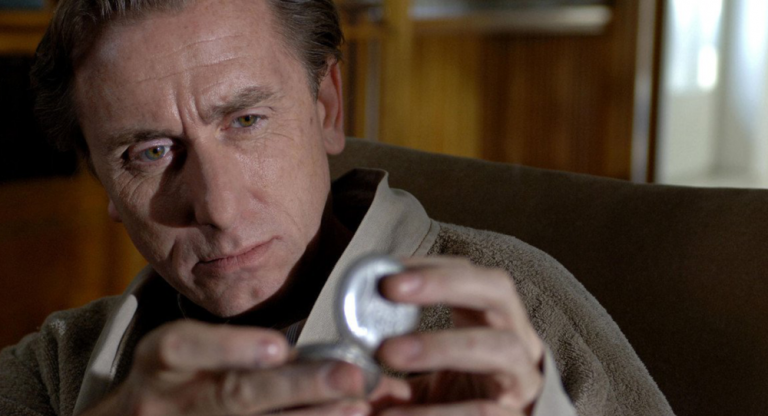
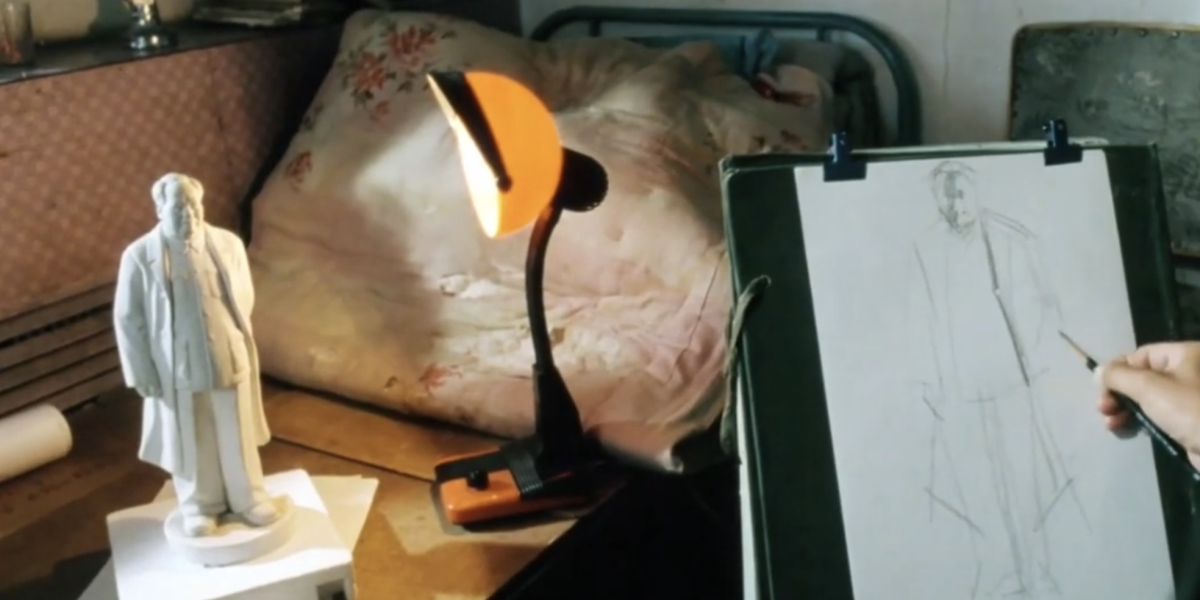
Set in the remote northwestern outpost of Jiayuguan, on the edge of the Gobi some two thousand miles west of Beijing, The Crack drifts across memories from the life of Xiangyang. Portrayed from childhood to adulthood by Kai Wang, Ming Cui, and Xun Jiang, respectively, Xiangyang is introduced as a disenchanted factory worker contemplating drilling through his hand in order to secure six months of paid time off. Ostensibly an artist, Xiangyang seems just as engaged sketching a Cindy Crawford poster as a plaster statue of Mao. But the Great Helmsman has other plans. Xiangyang's past is marked by interventions by the Red Guard, who publicly humiliate a young neighbor accused of promiscuity, harangue his parents for allegedly being "anti-revolutionaries," and even shut down Xiangyang's "illegal" art exhibition.
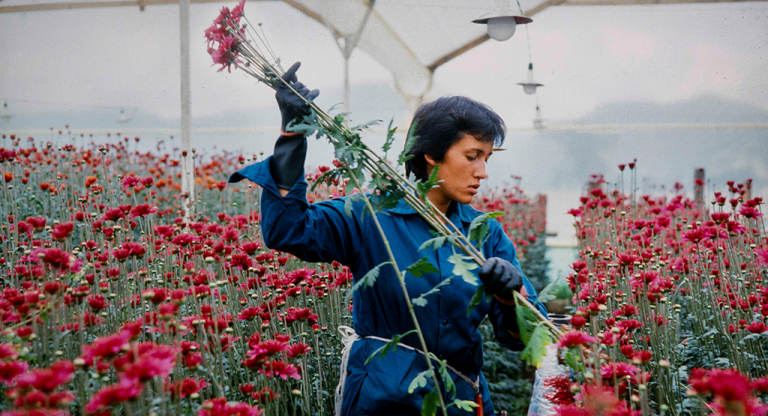
Wake's film is structured around Xiangyang's encounters with women, both real and envisioned: a ballerina in a Soviet film adaptation of Swan Lake, a doomed neighbor, a Chinese acrobat in a magazine, a young woman whom he cons into not only gifting him her sock but also autographing it, among others. At one point a character intones, "Jerking off is like crying [and] adults cry secretly." In Wake's mournful portrait of the artist as a young onanist, Xiangyang spends a fair amount of time alone in the grasp of autoeroticism rather than making art. The world outside is either subject to the random policing of Mao's foot soldiers or depicted as an endless, empty bleakscape of sand and rocks. Life’s choices appear to be between a repressive civilization and its unforgiving elements, both of which Wake observes from a sober distance, sparsely employing close-ups.
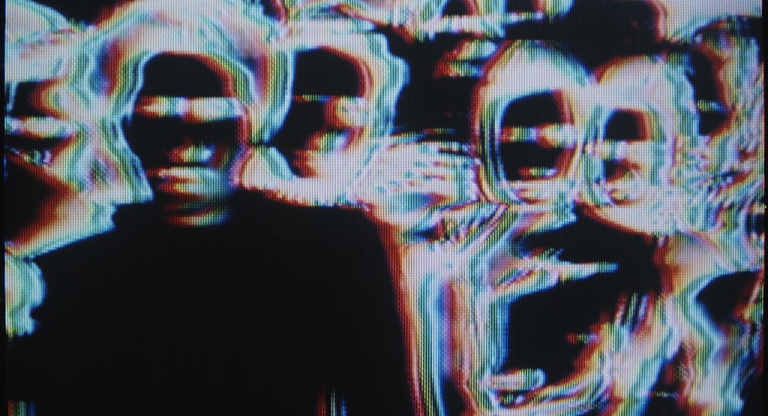
Time slips between the frames, and all the while pensioners perform calisthenics outside Xiangyang's window. The past never seems further than a daydream away. The only image of progress appears in the form of a vase that Xiangyang's grandfather paints bright red during the Cultural Revolution to save it from being smashed, and which he then carefully scrapes off 20 years on. But even without the authorities wreaking literal destruction in his life, Xiangyang's lot hardly seems improved as time passes. Concluding with a procession of phantoms, The Crack is shot through with the visual mettle of a filmmaker working against every practical and ideological constraint. The survival of The Crack itself is a form of resistance.
The Crack screens this afternoon, September 6, at Asia Society as part of the series “Chinese Artists on the Edge.”