Contemporary cinema is beset by visual shorthands for tension: canted angles, spasmodic handheld camerawork, percussive edits. These tricks are effective in keeping knuckles white and shoulders tense, but they possess little depth. Their potency diminishes beyond the sequence; they function as stylistic twitches in the larger context of the film, an unsustainable power-up or beast mode. Undercutting the effect is the unconscious sense of an ultimately benevolent shepherd—The Auteur, the genre, the script—chaperoning our experience. A handheld image seizures in saccadic bursts of movement, but a governing intelligence inevitably casts its mollifying shadow and we slip into existential security even as our nerves tingle. The dance of visual chaos is consequently fashioned predictable and harmless. Effective yet banal, these flourishes induce a high as fleeting and averse to reflection as nitrous oxide.
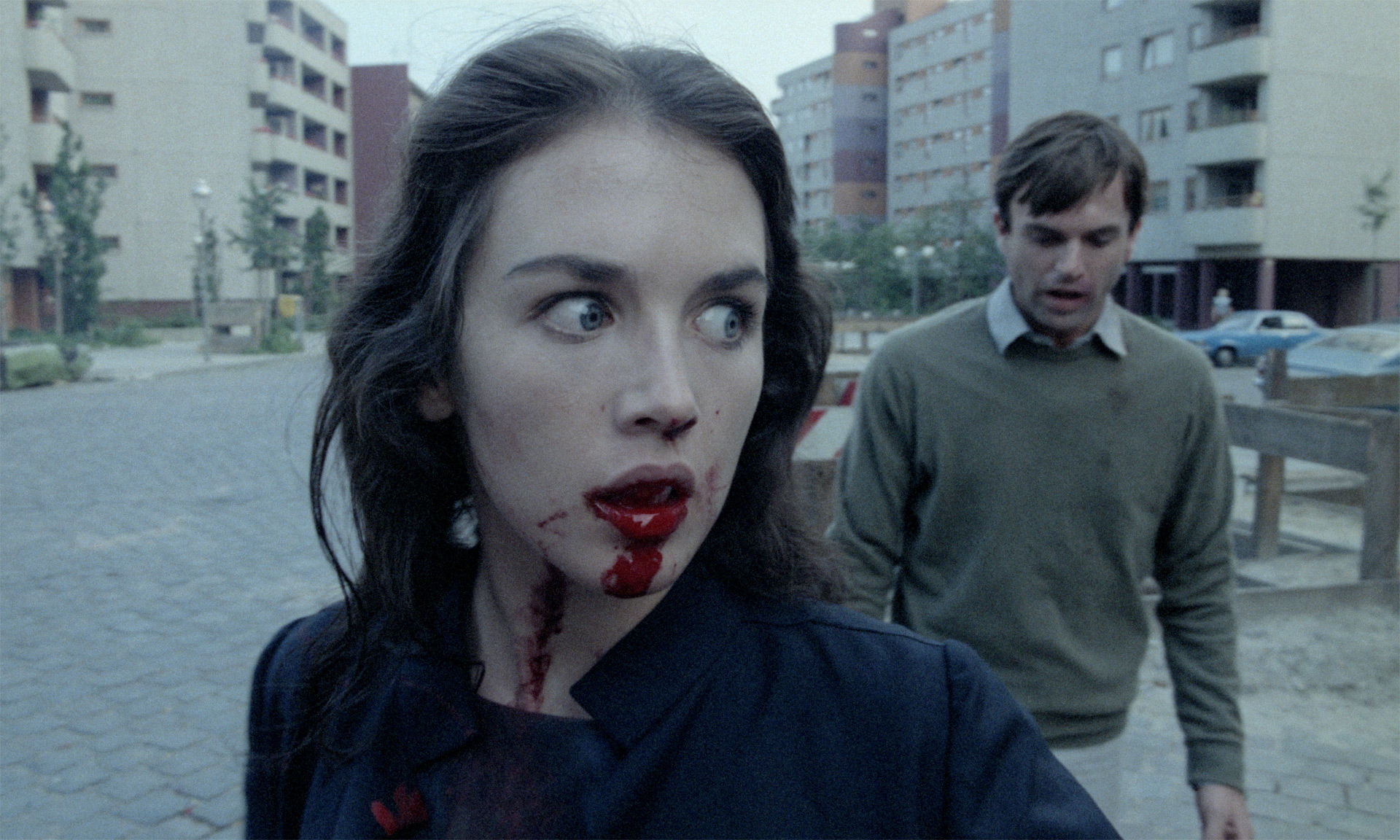
This tendency is all the more irritating because the antidote arrived 30 years ago in Andrzej Żuławski’s Possession, a film unmercifully chaotic and cruelly profound in its erraticism. At the outset Sam Neill and Isabelle Adjani teeter on the brink of divorce in an eerily depopulated Berlin. He’s been working too much, she’s been unfaithful, there son is alternatively ammunition and afterthought. From the jump they are at each other’s throats, screeching, snarling and self-mutilating. Then she moves out and things get real weird. Neill discovers their son’s teacher bears a shocking resemblance to his ex-wife, whose breakdown hurtles toward Lovecraftian madness and bloodlust. Eventually, he finds she’s living with some entity, some secret worse than not loving him.
Żuławski courts ineptitude as he propels his camera from one corner of a room to the others, tracking his characters as they attempt to destroy one another. His cuts condemn fluidity by pasting together camera movements and angles across shots that coexist uneasily. His mise en scene is genuinely unpredictable and histrionic, a mirror to the bonkers performances delivered by Neill and Adjani. Żuławski annihilates The Intelligence behind the camera, that infantilizing source of comfort amid the trauma of cinema, and his film becomes alchemical. Every seething line delivery, insane bit of dialogue and whirling tracking shot is thrown on the pyre. When’s the last time you saw a film where a tentacled monster making love to a woman incessantly howling “almost….” was not the most unsettling aspect? The apocalyptic menace wrought mutually by the script, performers and camera—parallel, crucially unsynthesized—persists in force long after the horrific moments begin to fade.