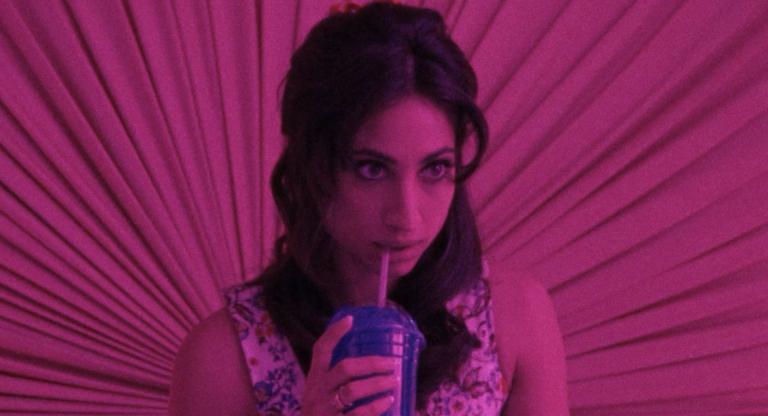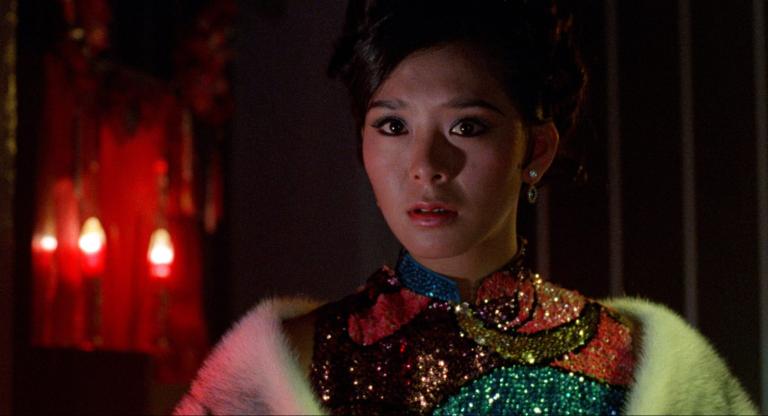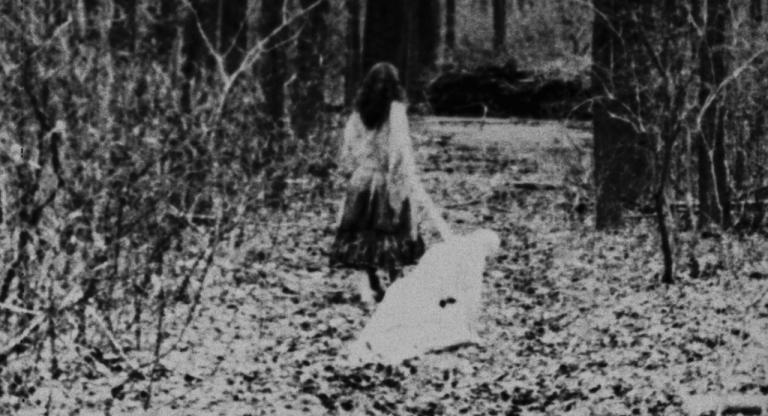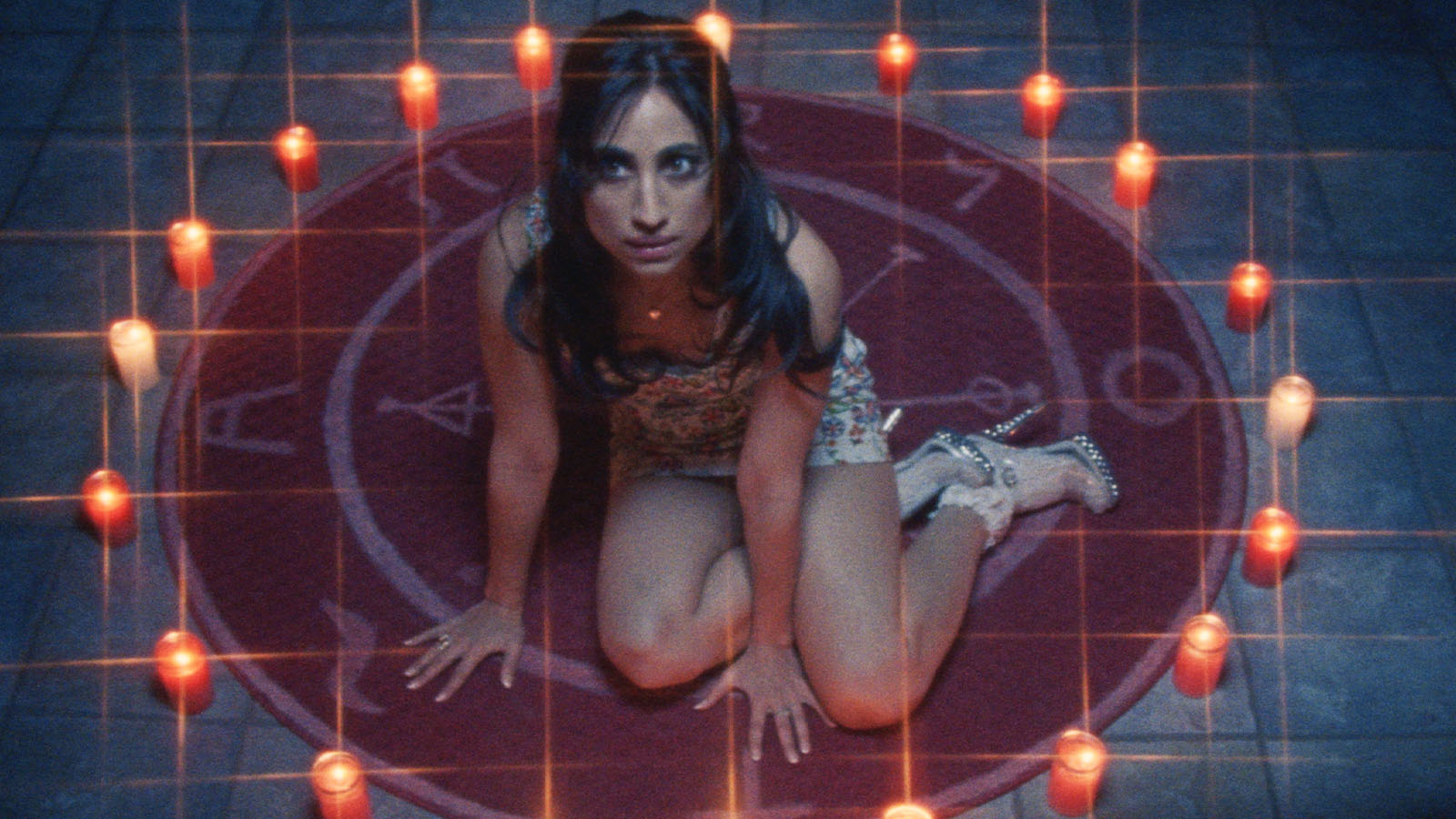
Raunchy and uproariously funny, Fucktoys (2025) is actor Annapurna Sriram’s feature directorial debut. The film, also written by and starring Sriram, wraps its much-acclaimed festival and select-theater run this year. For an undistributed film, Fucktoys has achieved a fanbase that is nearly unheard of and has seen its screenings sell out in minutes, with attendees driving four-plus hours to catch a screening (as I witnessed when I programed the film for the 33rd Massachusetts Multicultural film festival earlier this year). In many ways, the film has already received instant “cult” status from its admirers and its reception mirrors the near instantaneous fan response of Todd Haynes’s Superstar: The Karen Carpenter Story (1987), which was also achieved during its festival run.
And like Superstar, censorship has followed Fucktoys, though not for any copyright issues but rather for its title and the film’s frank examination of a woman of color working sex across various industries that include stripping, escorting, and S/M scene play. Sriram’s character is set on this journey by a psychic (played by Big Freedia) who informs her she needs to earn $1,000 to lift the curse plaguing her life. In what has become a passing joke for Sriram since the film’s debut, the curse in the film is analogous to the patriarchal structural barriers that affected the film from its production to its release, including the digital censorship of the film’s marketing as evident in Meta briefly deleting their Instagram account for promoting “inappropriate content,” citing the film’s content on “sex work.”
Working sex labor in Fucktoys becomes a metaphor, then, for the never-ending hustle that some women of color perform to make a living and to navigate the barriers (or curses) shaped by what bell hooks writes as white supremacist imperial patriarchal capitalism. Fucktoys is a genre-blending, earnest, sex-positive, and humorous attempt to break that curse for its protagonist and its director. The film is clear that you cannot out-hustle the system, but you can find ways to fight back with the help of your community.
Ayanna Dozier: Can you walk us through what the road to making Fucktoys was like and what your inspirations were in determining its genre-blurring tone?
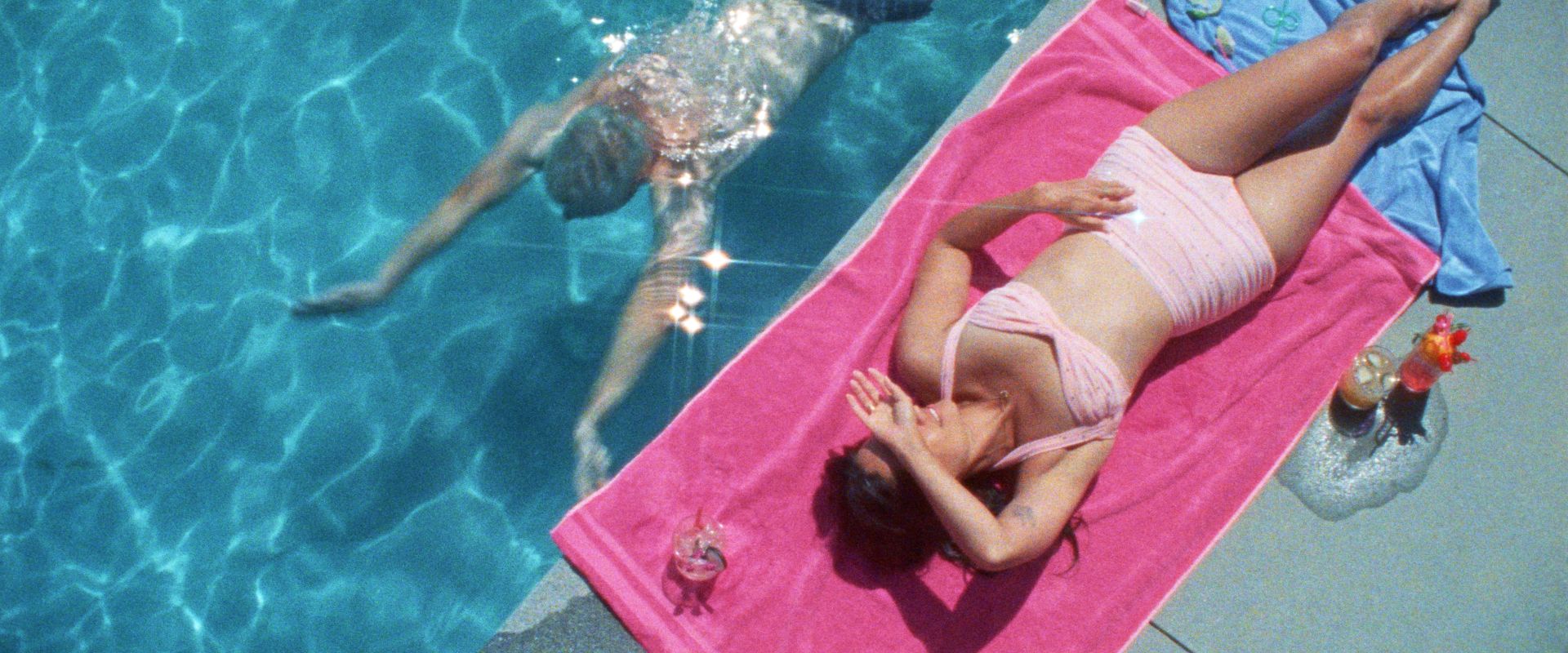
Annapurna Sriram: I wrote the script almost 10 years ago. The landscape, just for context, was before the contemporary interest [in working sex on film], so pre-Euphoria [2019-2026], Zola [2020], Pleasure [2021], Anora [2024], et cetera. At the time, I was really thinking more about what I wanted to do as an actor and what was missing for me in the roles that were being offered. I wanted this opportunity to express this whorey but sentimental, funny and sexy woman. And I was like, no one's going to cast me like that. Because in this industry, you're waiting for a white man to see you as a muse.
I come from a theater school background. I wanted it to have the realism and the grounded performance of a Stephen Adly Guirgis play where there’s these larger-than-life characters, but they’re in these intimate situations. But then I also wanted the aesthetics of the film to reflect films like Pee-Wee's Big Adventure [1985], After Hours [1985], and Liquid Sky [1982]. I wanted Fucktoys to exist in a highly imaginative world. So, what can I create that can justify these aesthetics, but then also how can I create these scenes for these grounded interactions to [exist within that imaginative world]?
It took me two years from when I wrote to when I found my producer and François [Arnaud] [who plays The Mechanic] in 2019. We were trying to find a director, with the $100,000 we had raised and were going to make it as an ultra-low-budget movie for under $250,000. My producer, François, and I had this meeting and they told me, “Look, the movie is in your head. I don't know if we're going to find a director who will understand the tone, style, aesthetic, and the scenes.” We were looking for, basically, a femme woman of color director who’s also going to understand this [script], the camp aesthetics and the genre blend.
I was like, “I'm not a director!” I had a lot of imposter syndrome around stepping into that role where you are running the ship. I think that was my own internalized misogyny. Women are not championed to be in those roles. We're seen as the muse, we're seen as the actress, the starlet.
AD: Right. It is difficult to both possess the vision of what you want as a performer and to have to be the one to invent that role for you to do, let alone direct it. I can only imagine the difficulties that directing brought to juggling the various hats you wore on set. What was the production like?
AS: Anytime something went wrong on set, it felt like the curse [in the film] was actually tormenting me in real life. Hurricane Ida had just hit New Orleans, the Omicron variant of the Covid-19 virus was spiking, and it was during Mardi Gras … Making an indie film comes with its own set of difficulties. It's going to be hard. Shit is going to happen. The trucks are going to break down, someone's going to have to drop because they’re going to take another job. It’s like playing a game with the difficulty set to the highest level.
The other piece is that this was my first time directing. I've only made a short film prior, and I never made a film that went through the festival circuit; I wasn't a creature of the industry, you know? So, one of the hardest things for me was getting people to trust me. Being a female director and also having a very specific vision means that I'm holding everyone to a very high standard on my set. And I think that's really hard for some people to have to listen to a woman who also is untested.
We filmed it over the course of a year in 2022. We filmed in multiple units, which I’m very impatient. I’m an Aries. I like things fast, but [now] I'm actually very grateful looking back that we had that time because I could watch footage, and I could build in what the pickups needed to be. I could take my time, like, really making sure I had everything in hand that I absolutely needed for the film to be cut. And, the movie that exists is the film as written. There's only like one mini scene that is not in the movie, but everything else is as scripted.
I’m also lucky that my actors were so good, because I felt a lot of relief either watching them in scenes or acting in scenes with them. Their talent meant that I had to do so little to get up to get the performances that I got in the film. I think that being an actor, I know what actors want. They want freedom. They want to feel like their part, even if it's small, is going to make an impact and each of the performances do that in the film.
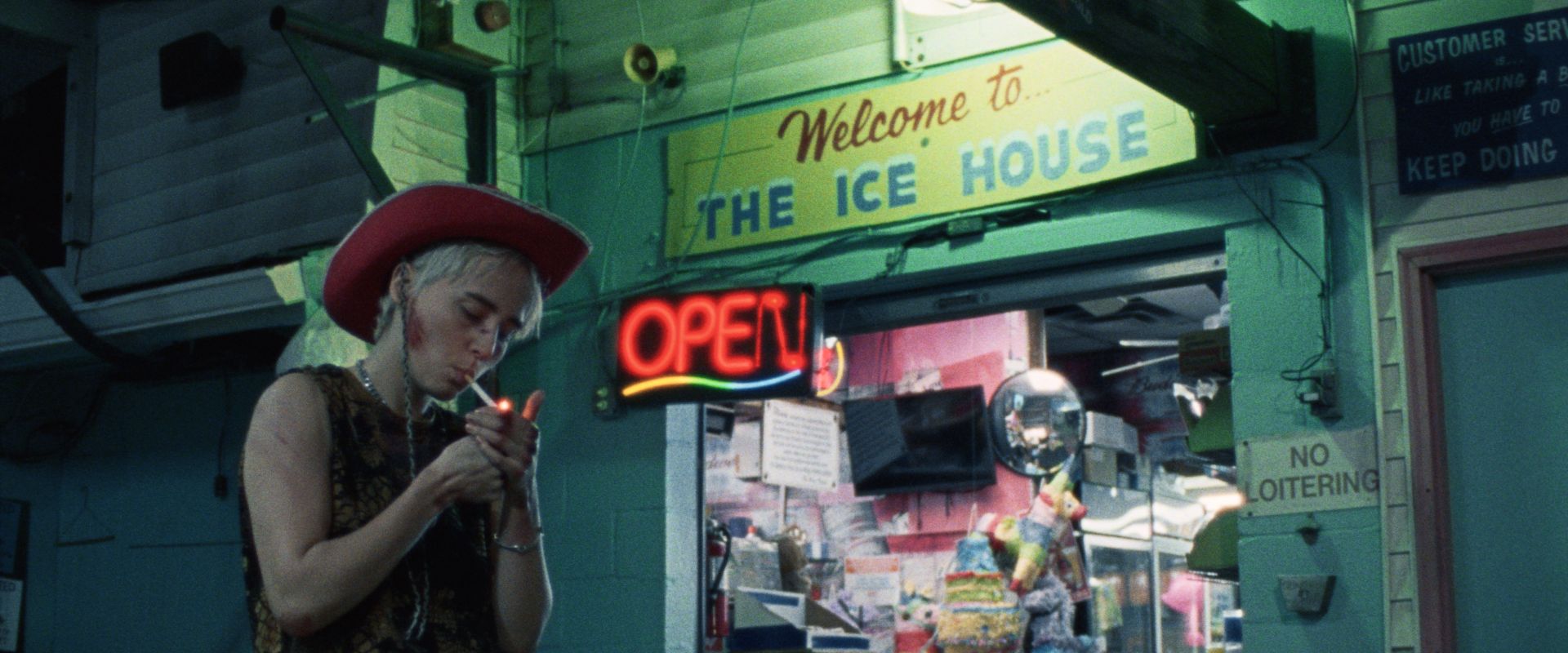
AD: I want to shift focus a bit and talk about a film that I believe you stated in another interview as having an impact on making Fucktoys. That’s Mira Nair’s Kama Sutra [1996]. Can you say more about your relationship to that film and your inspiration behind developing your character in Fucktoys?
AS: Growing up, the only time I got to see Brown women being an object of desire was [in Mira Nair’s] Mississippi Masala [1991] and Kama Sutra. I would even say Bend it like Beckham [2002] doesn't do it justice, for it doesn't give Brown women the space of being a sex icon, which was what I wanted. Brown women, [South] Asian women, are almost de-sexed [in film]. I've auditioned for those archetypal roles [in the past]. It's like you're a med student; you're a doctor. I mean, look at The Pit [2025-present]. That's the only place we get to see Brown women. And, if I was going to play a doctor, I would just be a doctor and make real money rather than play one [laughs]. Right?
AD: Right!
AS: So, one of the reasons I made my character so femme and soft and girly is because I was like, Brown women never get to be this kind of soft femme sex icon. Usually, women of color have to be sassy, bossy, edgy. They have to have this sort of toughness given to them that robs them of their femininity and [I believe] that femininity is for everyone, same with masculinity. Anyone can perform any kind of gender that they want. It was really important for me for there to be this soft femme sex icon that is Brown who can help other young girls hopefully see that in themselves and then feel that they are worthy, desirable, and can be objects of desire if they want. That was my mission, because rarely having that as a young person, I think can hurt your self-esteem in a way. And, as trivial as it may seem, I think if my younger self had gone to see someone who looked like me—who's cool, iconic, and sexy—it would have given me a sense of confidence in myself.
AD: There’s a lot of sexual intimacy in the film, some of it is playful, and then of course there’s a scene in which your character has to navigate the ego of a man who is embarrassed by having ED. While there is a ton of humor, the scene opens up to also include how awkward those conversations can be and critically what happens when a bruised ego can become violent. Can you walk me through the inspiration of having scenes like this in the film?
AS: My hope for the movie in general is that it creates these dynamics that feel universal. These situations are relatable, whether you're coming from sex work or you're just dealing with cis men. I've had so many women come up and just be like, “I have been in that situation, I know who that man is from dating.” [These] situations that play out in the film have never really been in cinema because intimacy is usually filtered through the male gaze. These men are not thinking about these awkward or uncomfortable moments that [women] are having to silently negotiate without offending anyone. The fragility of male ego, especially when it comes male performance and erectile dysfunction, is off limits to even address [cinematically]. So many women then are left almost without any script, like without any playbook of what to do.
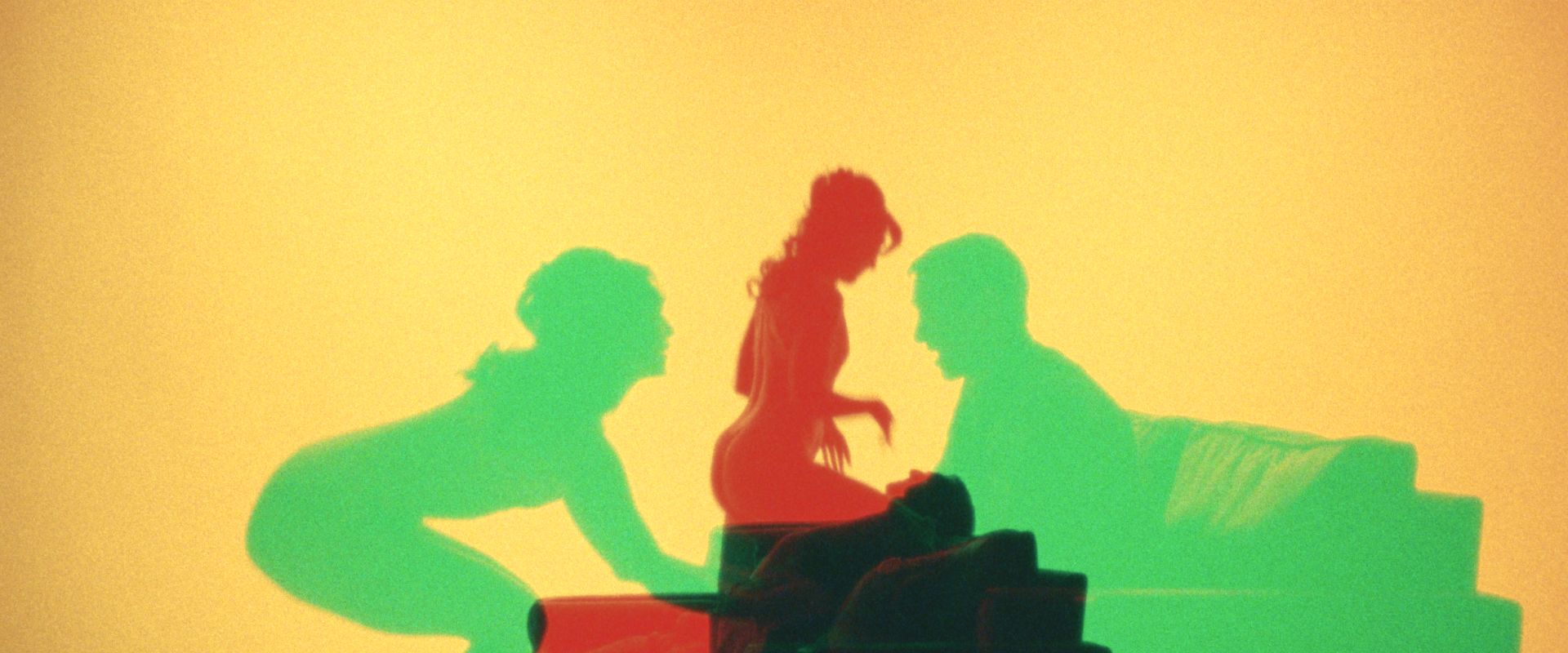
AD: Yeah. It's not to say that you're always unsafe, but it is to say that there's always a negotiation of how intimacy can quickly turn towards violence, especially in heterosexual encounters; power is always in flux.
AS: Well, sex is this constant negotiation of power and control. I think it also would relate to attraction, you know...“Do you like me like, am I turning you on?” Or, “Am I doing good?” If we're looking at it outside of sex work and just like where [heterosexual] relationships are, when I was in situations of dating or casual hookups, I realized that I was still trying to own the scene. I'm still trying to impress. I'm trying to be the best lover. I think it translates into a different kind of category of safety or potential financial security if you’re able to succeed at that
I've had to work on so many skills, of being charming and fun, and achieve all these aspects to make myself a desirable choice for [lovers], whereas men do so little to be a desirable choice for us. God, other than have a wallet. [Laughs]
AD: And even then, they sometimes downplay what could quite possibly be their best quality! Working sex really exposed that to me when I was younger and has colored how I view heterosexually. Men expect so much for doing so little and some of them can't even touch their toes [Laughs]!
AS: [Laughing] They can’t touch their toes!
AD: I guess that brings me to my final thought on this film, which concerns its presentation of sexual fluidity, or its queerness, which feels lived in and very familiar to my communities, where everyone is just into everyone and it is not something that is questioned. Can you say more about your intention there?
AS: Sex positivity is inherent in all of my work. Even in my next script, characters find themselves in these queer coding [situations]. I always want for there to be these erotic and fun dynamics for my characters and for me to explore as many different fringes of [sex] as possible.
[Fucktoys] is a naturalist romance. With my character’s romance with Danny (played by Saide Scott), that was like another role where I was like, I don't want to just give this to a fucking cis boy; they get all of the roles. We cast such a wide net [for that role]; women, trans actors, et cetera. Sadie was then a no brainer. I think because they possess such a River Phoenix-like sexy beauty. But also, they were very young and so they still kind of had this innocence, just like a baby lamb. [It] contributed to the “us against the world” dynamic between my character and them, like Thelma and Louise [1991] and True Romance [1993].
But, you know, they also really wanted it; they were dm’ing me about it and telling me how much they loved this role. I was like, “God, I fucking know what that's like, to be the actor that really wants something.” I want to give that to people. I want to be at the wheel and doing good … so especially with casting, any role that I could cast, a non-white person in, I was casting a person of color. So, all the psychics are women of color, because I know what it's like and how hard it is to get roles as a woman of color.
[Because of that] I think in some ways it's like, of course [Fucktoys] is queer and of course it's going to be sex positive … It's coming out of me. These are concepts that are inherent to the things I want to talk about, the kinds of characters I want to write about and the kinds of stories I want to explore.
See Also