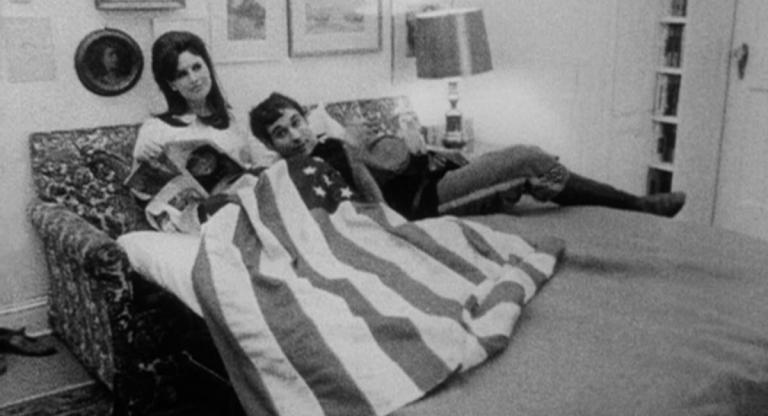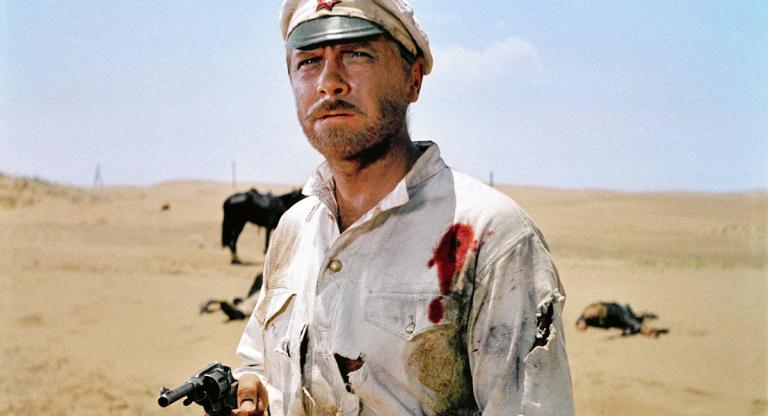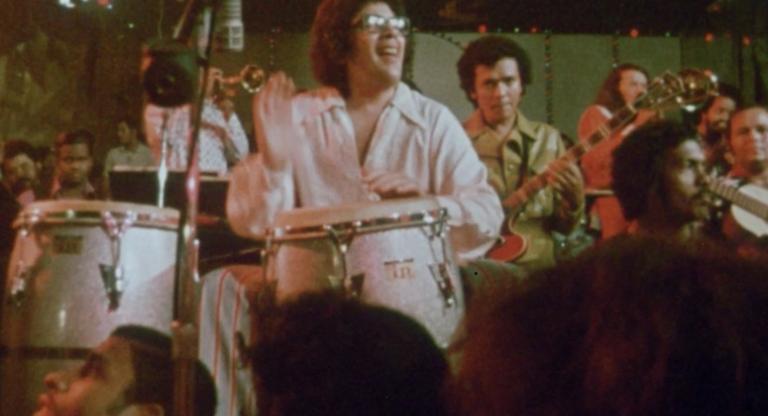
When Mumbai filmmaker Ashim Ahluwalia was invited to be artist-in-residence in 2013 by the San Francisco Film Society (now SFFILM) and screen Miss Lovely (2012), his Cannes-premiered period piece about exploitation filmmakers working in the shadow of 1980s-era Bollywood, he was offered tours of industry oases like Pixar in Emeryville and Skywalker Ranch in Marin. He asked, instead, to visit Artists’ Television Access (ATA), which for over forty years has been helping quench the thirst of San Francisco movie lovers and makers unsated by Hollywood.
Founded at Eighth and Howard in 1984, the all-volunteer-run microcinema has been headquartered in the Inner Mission since a Halloween 1986 fire forced a move to its current 992 Valencia home. This former bakery is a shared space, also hosting Right Window Gallery, the third i South Asian Film Festival (which had provided the local premiere of Ahluwalia’s feature-length debut John and Jane Toll-Free (2005)), and legendary filmmaker/impresario Craig Baldwin, who has been hosting two seasons a year of his weekly Other Cinema programs for even longer than he’s been amalgamating form-busting 16mm political cine-fantasias like RocketKitKongoKit (1986), Tribulation 99: Alien Anomalies Under America (1991) and Mock Up On Mu (2008). An international maverick like Ahluwalia knew where his people would be, even as dozens of other independent art spaces were disappearing from a rapidly gentrifying neighborhood, whether through dissolution (e.g. Cell Space), scaling back public access (Oddball Film & Video) or moving elsewhere (Intersection For the Arts)
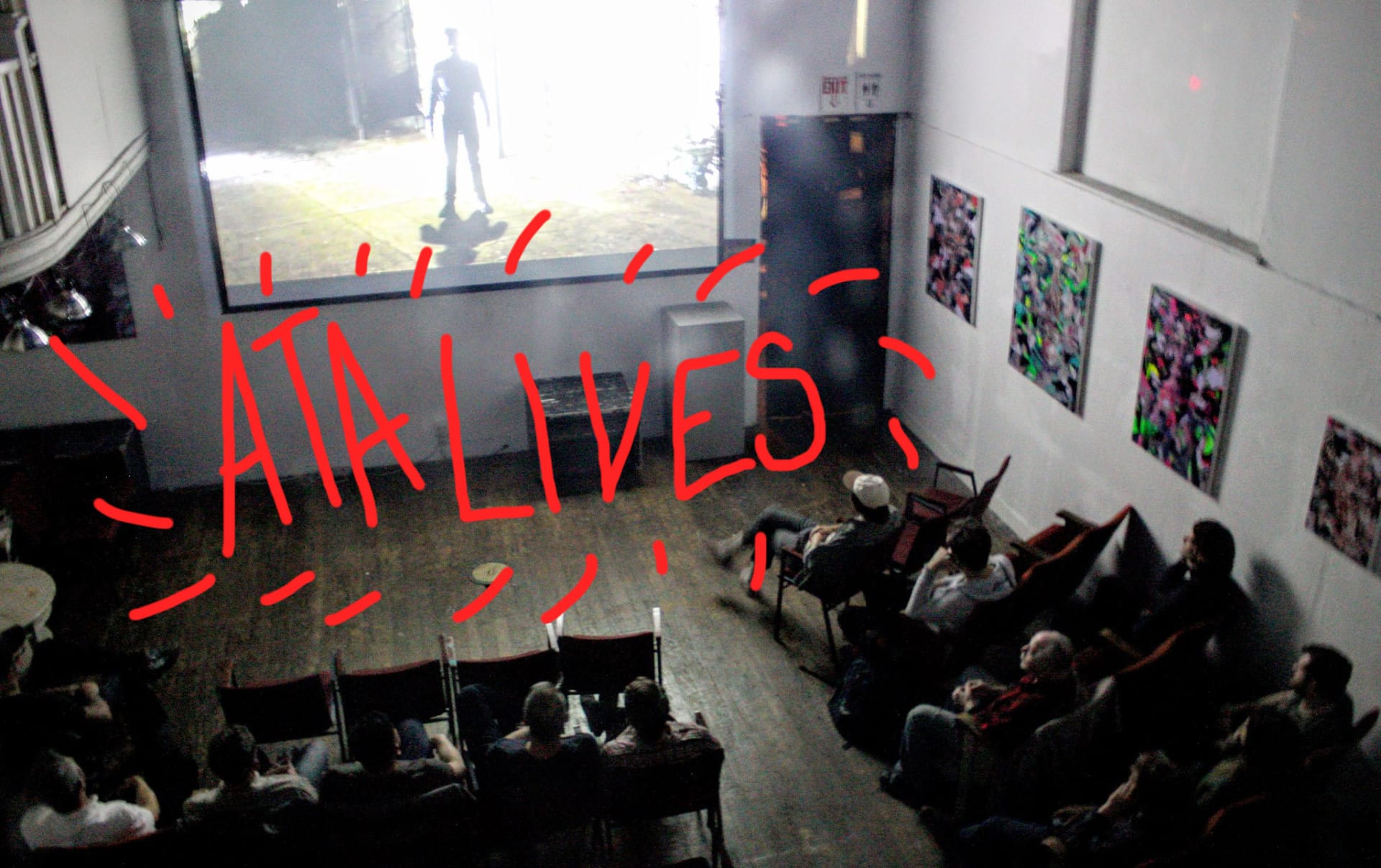
As Eva Koenig’s 1987 film about the move to Valencia declares, ATA Lives! But it’s facing a few challenges. Some of them are related to the ongoing difficulty of sustaining underground cinema in 2025: artists and audiences for non-commercial work are priced out of neighborhoods where they once thrived; grants and other outside funding sources are becoming scarce; and the networks of distributors and curators who have helped sustain the few possible avenues for screening challenging work are frayed by federal hostility. ATA is one of several Bay Area organizations currently facing some degree of financial distress, including venues like The Lab, just a few blocks away, Shapeshifters Cinema in Oakland, the peripatetic SF Cinematheque, and even the historic distributor, Canyon Cinema, each of whom is making a more urgent year-end appeal for donations than usually necessary.
ATA’s money woes extend a bit further back, into the dark days of the pandemic, when it was unable to use box office receipts to pay rent, and had to virtualize its usual programming, like the long-standing—and unique in the region—monthly Open Screening program, where local filmmakers bring their works in progress to share with other filmmakers. Even as the Open Screenings and other regular ATA programming initiatives are starting to thrive again, there has been some question about how ATA can last. Last month, the generosity of 992 Valencia’s landlord had run out, and a large payment of back-rent tracing to the COVID era was due. ATA’s supporters came out in force, surpassing its $60,000 crowd-funding campaign goal in just nine days, and though this achievement puts the venue out of imminent danger, more support will be needed to ensure its long-term survival.
Now is the ideal time for people to get involved as audience members, as volunteers, and as champions of what board president alex cruse (who keeps her name in lowercase, in the tradition of ruth weiss) calls “one of the last bastions of underground weirdo culture in the city.” cruse says “as always we’re looking for excited volunteers to gain film skills and do programming or curating.”
This week there’s a presentation of work made by students from the City College of San Francisco cinema department, and the final 2025 iteration of Other Cinema, featuring locally-shot work from series regulars Ellie Vanderlip, James T. Hong, Sam Green & Andy Black, as well as Jeanne Finley’s new feature, A Radical Thread (2025), and a rare showing of Baldwin’s own guerrilla documentation of grindhouse-era Market Street moviegoing, Stolen Movie (1976). Green describes the latter film in the indispensable 2023 publication Craig Baldwin: Avant To Live! as “a radical gesture, pulling back the curtain and showing the seams of moviegoing and moviemaking, a middle finger to the movie biz, and a declaration of profound underground independence.” What an ideal thing to watch as a way to celebrate the longevity of an organization acting as a global beacon for industry alternatives!